Buy fincas.eu ?
We are moving the project
fincas.eu .
Are you interested in purchasing the domain
fincas.eu ?
domain@kv-gmbh.de · 0541-91531010
Buy fincas.eu ?
Who owns the land in England?
The majority of land in England is owned by private individuals, including wealthy families, corporations, and institutions. The Crown Estate owns a significant portion of land, which is managed on behalf of the reigning monarch. Additionally, some land is owned by the government, local authorities, and charitable organizations. Overall, land ownership in England is diverse and spread across various entities. **
Who pays for the land survey?
Typically, the person who requests the land survey is responsible for paying for it. This could be the buyer, seller, or a third party involved in the transaction. In some cases, the cost of the land survey may be negotiated as part of the real estate transaction. It's important to clarify who will be covering the cost of the land survey before proceeding with the service. **
Similar search terms for Who
Top-Angebote
Products related to Who:
-
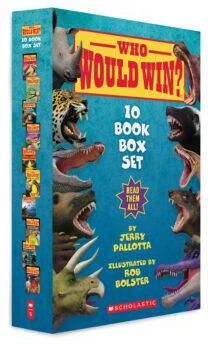
Who Would Win? 10 Book SetWhich dangerous animals would win in a fight? Find out in this amazing box set, which includes 10 books in the bestselling Who Would Win? series, including: Alligator vs. Python Green Ants vs. Army Ants Hyena vs. Honey Badger Triceratops vs....42,49 $*Shipping: 0,00 $Secure redirect to the provider
-
ForAllApparel Behind Every Daughter Who Believes In Herself Is A Dad Who Believed In Her First White LBehind every Daughter who believes in herself is a Dad who believed in her first. It's made of a thicker, heavier cotton, but it's still soft and comfy. And the double stitching on the neckline and sleeves add more durability to what is sure to be a...29,97 $*Shipping: 0,00 $Secure redirect to the provider
-
Lenox Who-Ville Sweet Shop Lit FigurineInspired by Dr. Seuss's classic Grinchmas story, this light-up ivory porcelain figurine depicts a signature Who-ville style Sweet Shop, complete with an icing-covered roof, colorful details, and a soft illuminating glow. Features: © Dr.74,95 $*Shipping: 0,00 $Secure redirect to the provider
-
ForAllApparel Behind Every Daughter Who Believes In Herself Is A Dad Who Believed In Her First Black XLBehind every Daughter who believes in herself is a Dad who believed in her first. It's made of a thicker, heavier cotton, but it's still soft and comfy. And the double stitching on the neckline and sleeves add more durability to what is sure to be a...29,97 $*Shipping: 0,00 $Secure redirect to the provider


-
Who really owns this land now?
The land is currently owned by the government of the country where it is located. The government has legal authority over the land and can make decisions regarding its use and management. However, it is important to note that ownership of land can be a complex issue, especially in cases where there are disputes over land rights or claims by indigenous communities. **
-
Who benefits when farmland becomes building land?
When farmland becomes building land, developers and landowners benefit as they can sell the land for a higher price. Local governments also benefit from increased property tax revenue. However, this conversion can have negative impacts on the environment and food security, as it reduces the amount of available farmland for agricultural production. Additionally, it can lead to the displacement of farmers and rural communities. **
-
Why does the Catholic Church keep its land properties?
The Catholic Church keeps its land properties for a variety of reasons. One reason is to provide a physical presence in communities where they can offer services such as schools, hospitals, and social programs. Additionally, owning land allows the Church to maintain historical and cultural sites that are important to the faith. Finally, land ownership can also provide a source of income through renting or leasing properties, which can help fund the Church's operations and charitable activities. **
-
How can one merge properties and land parcels together?
One way to merge properties and land parcels together is through a process called property consolidation. This involves legally combining multiple parcels of land into a single, larger parcel. This can be done by filing a request with the local government or planning department, providing documentation such as surveys and deeds, and paying any required fees. It is important to consult with a real estate attorney or land use professional to ensure the process is done correctly and in compliance with local regulations. **


How can one merge properties and parcels of land?
One way to merge properties and parcels of land is through a process called lot consolidation or lot merger. This typically involves combining adjacent parcels of land that are owned by the same individual or entity into a single, larger parcel. The process usually requires approval from local zoning authorities and may involve submitting a formal application, survey, and legal descriptions of the properties involved. Once approved, the new, merged parcel will have a single tax assessment and legal description. **
Were the regional estates represented in the Imperial Estates?
Yes, the regional estates were represented in the Imperial Estates of the Holy Roman Empire. The Imperial Estates were made up of different territories and regions, each of which was represented by its own ruler or representative. These regional estates included the princes, bishops, and cities of the empire, and they played a significant role in the governance and decision-making of the Holy Roman Empire. The regional estates had a voice in the Imperial Diet, where important matters of the empire were discussed and decided upon. **
Top-Angebote
Products related to Who:
-
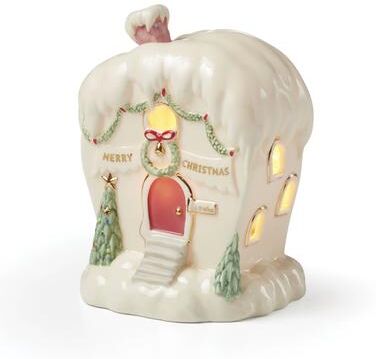
Lenox Who-ville The House of J.P. Who FigurineInspired by Dr. Seuss's classic Grinchmas story, this ivory porcelain figurine depicts a signature Who-ville style house, belonging to none other than Papa J.P. Who himself as the gold-accented mail slot reads.54,27 $*Shipping: 0,00 $Secure redirect to the provider
-
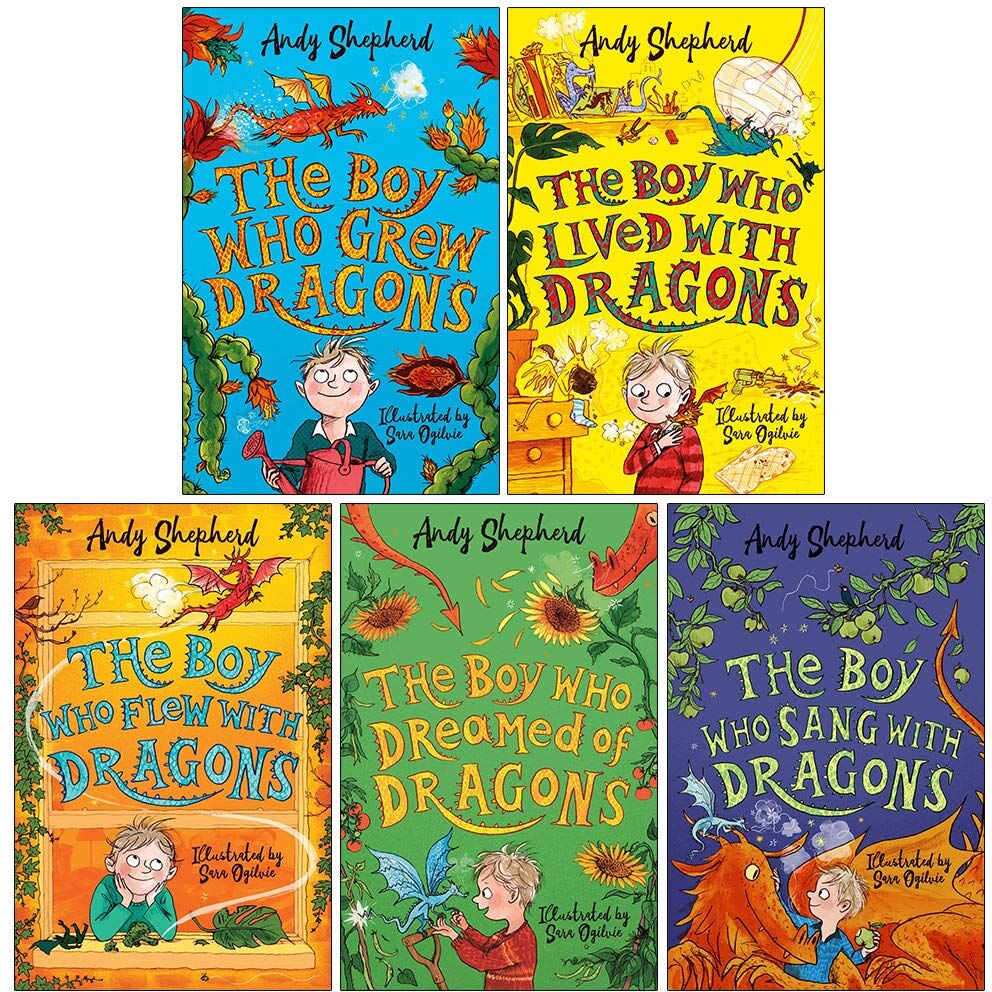
Piccadilly The Boy Who Grew 5 Books Collection Set by Andy Shepherd The Boy Who Grew Dragons, The Boy Who Lived with Dragons, The Boy Who Flew with Dragons, TheThe Boy Who Grew Dragons When Tomas discovers a strange old tree at the bottom of his grandad's garden, he doesn't think much of it. But he takes the funny fruit from the tree back into the house - and gets the shock and delight of his life when a tiny dragon hatches! The tree is a dragonfruit tree, and Tomas has got his very own dragon, Flicker ...Tomas soon finds out that life with Flicker is great fun, but also very ... unpredictable. The Boy Who Lived with Dragons Tomas has a secret - a big secret. He has his own tiny dragon, Flicker! A dragon which grew on a very special tree at the bottom of his grandad's garden. And not only that - his friends Ted, Kai and Kat have dragons too, all grown on the same dragonfruit tree ...Having your own dragon is magical - but Tomas is also about to find out what living with a dragon is REALLY like. The Boy Who Flew with Dragons Tomas can't imagine life without his little dragon Flicker. He's become more than a pet - he's a friend like no other. And growing dragons on the dragonfruit tree in the garden with his friends Ted, Kat and Kai is the most amazing thing ever. But Tomas has promised Grandad something - that he and his friends will let their dragons go back to where they belong. The Boy Who Dreamed of Dragons Eleven-year-old Tomas has a secret friend like no other: Flicker, a dragon with glittering eyes and scales that flicker from fiery orange to ruby red. But Tomas is also having to get used to Flicker being away, now that his dragon's home is back in the frosty North. Adventure is never far away for Tomas, though - as he finds out. The Boy Who Sang with Dragons Tomas is a fully-fledged expert dragon grower and protector of the dragonfruit tree. He has eyes in the back of his head for watching over those sneaky dragons, awesomely fast reflexes for putting out sparks and dodging the diving antics of whirling newly hatched dragons. Tags; Andy shepherd dragons22,99 £*Shipping: 2,99 £Secure redirect to the provider
-
Who Would Win? 10 Book SetWhich dangerous animals would win in a fight? Find out in this amazing box set, which includes 10 books in the bestselling Who Would Win? series, including: Alligator vs. Python Green Ants vs. Army Ants Hyena vs. Honey Badger Triceratops vs....42,49 $*Shipping: 0,00 $Secure redirect to the provider
-
ForAllApparel Behind Every Daughter Who Believes In Herself Is A Dad Who Believed In Her First White LBehind every Daughter who believes in herself is a Dad who believed in her first. It's made of a thicker, heavier cotton, but it's still soft and comfy. And the double stitching on the neckline and sleeves add more durability to what is sure to be a...29,97 $*Shipping: 0,00 $Secure redirect to the provider
-
Who owns the land in England?
The majority of land in England is owned by private individuals, including wealthy families, corporations, and institutions. The Crown Estate owns a significant portion of land, which is managed on behalf of the reigning monarch. Additionally, some land is owned by the government, local authorities, and charitable organizations. Overall, land ownership in England is diverse and spread across various entities. **
-
Who pays for the land survey?
Typically, the person who requests the land survey is responsible for paying for it. This could be the buyer, seller, or a third party involved in the transaction. In some cases, the cost of the land survey may be negotiated as part of the real estate transaction. It's important to clarify who will be covering the cost of the land survey before proceeding with the service. **
-
Who really owns this land now?
The land is currently owned by the government of the country where it is located. The government has legal authority over the land and can make decisions regarding its use and management. However, it is important to note that ownership of land can be a complex issue, especially in cases where there are disputes over land rights or claims by indigenous communities. **
-
Who benefits when farmland becomes building land?
When farmland becomes building land, developers and landowners benefit as they can sell the land for a higher price. Local governments also benefit from increased property tax revenue. However, this conversion can have negative impacts on the environment and food security, as it reduces the amount of available farmland for agricultural production. Additionally, it can lead to the displacement of farmers and rural communities. **
Similar search terms for Who
-
Lenox Who-Ville Sweet Shop Lit FigurineInspired by Dr. Seuss's classic Grinchmas story, this light-up ivory porcelain figurine depicts a signature Who-ville style Sweet Shop, complete with an icing-covered roof, colorful details, and a soft illuminating glow. Features: © Dr.74,95 $*Shipping: 0,00 $Secure redirect to the provider
-
ForAllApparel Behind Every Daughter Who Believes In Herself Is A Dad Who Believed In Her First Black XLBehind every Daughter who believes in herself is a Dad who believed in her first. It's made of a thicker, heavier cotton, but it's still soft and comfy. And the double stitching on the neckline and sleeves add more durability to what is sure to be a...29,97 $*Shipping: 0,00 $Secure redirect to the provider
-
ForAllApparel Behind Every Daughter Who Believes In Herself Is A Dad Who Believed In Her First Black 2XLBehind every Daughter who believes in herself is a Dad who believed in her first. It's made of a thicker, heavier cotton, but it's still soft and comfy. And the double stitching on the neckline and sleeves add more durability to what is sure to be a...32,97 $*Shipping: 0,00 $Secure redirect to the provider
-
ForAllApparel Behind Every Daughter Who Believes In Herself Is A Dad Who Believed In Her First Black 3XLBehind every Daughter who believes in herself is a Dad who believed in her first. It's made of a thicker, heavier cotton, but it's still soft and comfy. And the double stitching on the neckline and sleeves add more durability to what is sure to be a...32,97 $*Shipping: 0,00 $Secure redirect to the provider
-
Why does the Catholic Church keep its land properties?
The Catholic Church keeps its land properties for a variety of reasons. One reason is to provide a physical presence in communities where they can offer services such as schools, hospitals, and social programs. Additionally, owning land allows the Church to maintain historical and cultural sites that are important to the faith. Finally, land ownership can also provide a source of income through renting or leasing properties, which can help fund the Church's operations and charitable activities. **
-
How can one merge properties and land parcels together?
One way to merge properties and land parcels together is through a process called property consolidation. This involves legally combining multiple parcels of land into a single, larger parcel. This can be done by filing a request with the local government or planning department, providing documentation such as surveys and deeds, and paying any required fees. It is important to consult with a real estate attorney or land use professional to ensure the process is done correctly and in compliance with local regulations. **
-
How can one merge properties and parcels of land?
One way to merge properties and parcels of land is through a process called lot consolidation or lot merger. This typically involves combining adjacent parcels of land that are owned by the same individual or entity into a single, larger parcel. The process usually requires approval from local zoning authorities and may involve submitting a formal application, survey, and legal descriptions of the properties involved. Once approved, the new, merged parcel will have a single tax assessment and legal description. **
-
Were the regional estates represented in the Imperial Estates?
Yes, the regional estates were represented in the Imperial Estates of the Holy Roman Empire. The Imperial Estates were made up of different territories and regions, each of which was represented by its own ruler or representative. These regional estates included the princes, bishops, and cities of the empire, and they played a significant role in the governance and decision-making of the Holy Roman Empire. The regional estates had a voice in the Imperial Diet, where important matters of the empire were discussed and decided upon. **
* All prices are inclusive of VAT and, if applicable, plus shipping costs. The offer information is based on the details provided by the respective shop and is updated through automated processes. Real-time updates do not occur, so deviations can occur in individual cases. ** Note: Parts of this content were created by AI.