Buy fincas.eu ?
We are moving the project
fincas.eu .
Are you interested in purchasing the domain
fincas.eu ?
domain@kv-gmbh.de · 0541-91531010
Buy fincas.eu ?
What is the difference between a language-based and a science-based high school diploma?
A language-based high school diploma typically focuses on subjects such as literature, languages, and social sciences, emphasizing communication and critical thinking skills. On the other hand, a science-based high school diploma places more emphasis on subjects like mathematics, biology, chemistry, and physics, focusing on analytical and problem-solving skills. The language-based diploma may be more suitable for students interested in humanities and social sciences, while the science-based diploma may be more suitable for students interested in STEM fields. **
Can you explain the difference between a society based on social classes and a society based on social estates?
A society based on social classes is characterized by a hierarchical structure where individuals are grouped based on their economic status, occupation, and wealth. This system often leads to inequality and limited social mobility, as individuals are born into their respective classes and have limited opportunities to move between them. On the other hand, a society based on social estates is a system where individuals are grouped into distinct categories based on their roles and responsibilities in society, such as clergy, nobility, and commoners. This system was prevalent in feudal societies, where individuals were born into their respective estates and had specific rights and obligations based on their estate. Unlike social classes, social estates were often based on hereditary status and were more rigid in terms of social mobility. **
Similar search terms for Science-based
Top-Angebote
Products related to Science-based:
-
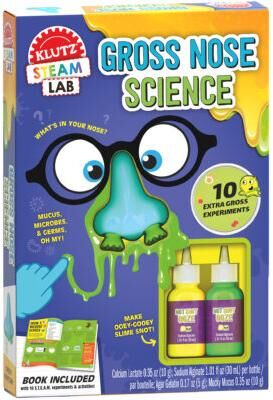
Klutz: Gross Nose ScienceSqueeze slimy snots through a soft and squishy nose! Explore ten different experiments on sinus-based anatomy, make sense of scents with the power of smell, and even whip up a batch of boogers! Learn how snot, mucus, and nose hairs protect your...24,99 $*Shipping: 0,00 $Secure redirect to the provider
-
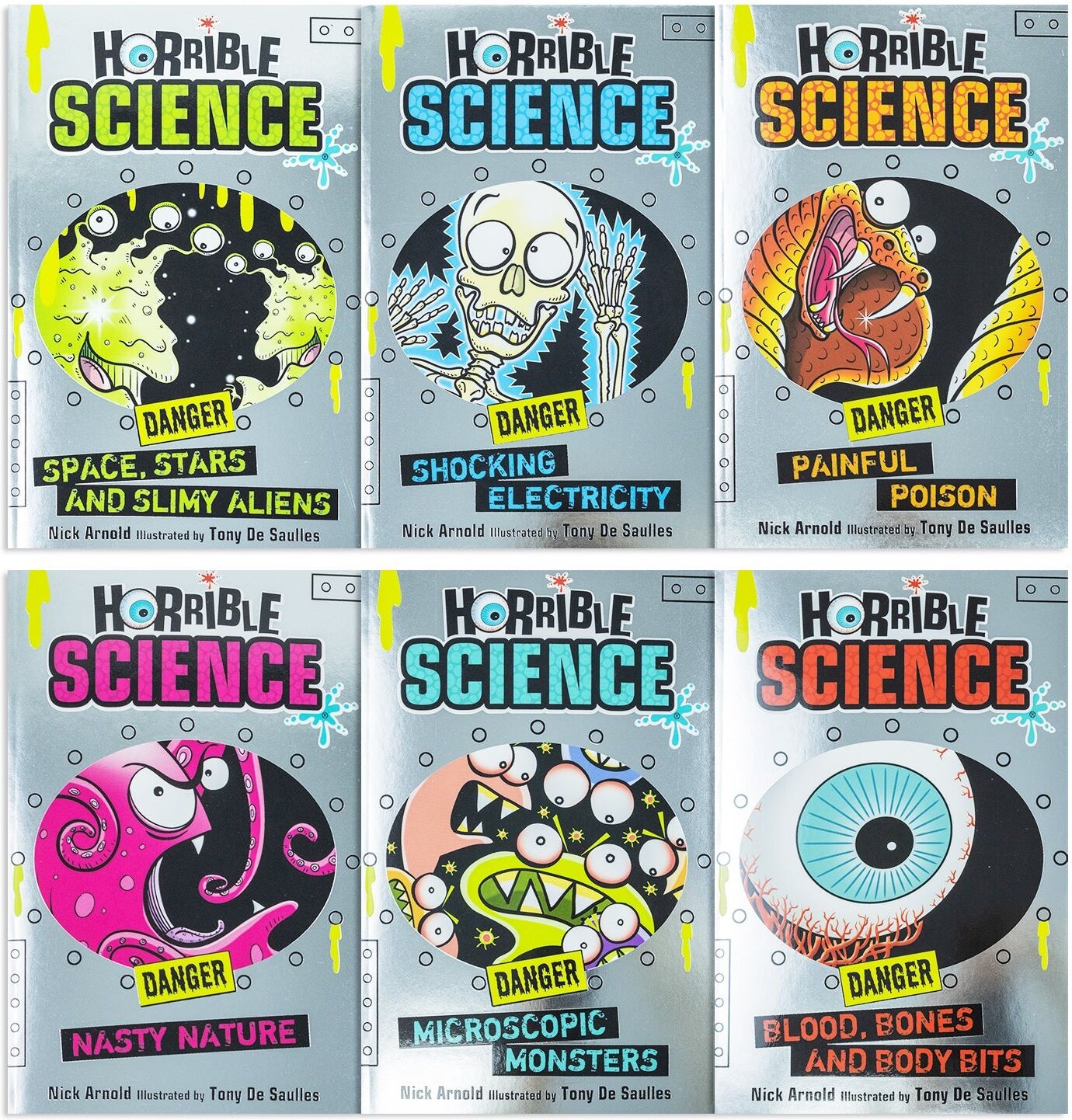
Scholastic Horrible Science 6 Books Collection Set by Nick Arnold – Educational Science Collection for KidsHorrible Science Collection 6 Books Set by Nick Arnold (Blood Bones and Body Bits, Microscopic Monsters, Nasty Nature, Painful Poison, Shocking Electricity, Space Stars and Slimy Aliens) Blood, Bones and Body Bits: Peek inside to discover all the squishy secrets of your body – including the nasty bits nobody wants to tell you! Find out what happens when a boil bursts (ugh) See what lives in your eyelashes (ewwwww) Gulp at the workings of your disgusting digestion (enough now...) And discover why corpses need haircuts even after they’re dead (blergh) Microscopic Monsters: Look down your microscope and dare to discover the terribly teeny world of Microscopic Monsters. Discover what makes our guts a brilliant home for bacteria, how germs make dead bodies explode and which creature lays its eggs between our toes. Nasty Nature: All the animals in HORRIBLE SCIENCE: NASTY NATURE are the deadliest, most disgusting and nastiest things that nature has to offer! So only read on if you're ready to find out: how vampire bats slurp blood, what a singing gorilla sounds like, how to dodge a man-eating tiger and which Japanese fish dish can kill you. Painful Poison: Get ready for a deadly dose of excitement with the petrifying Painful Poison. It's bubbling with killer substances that are strictly not for the nervous - and will have all kinds of evil effects on you. Discover how you can turn your brother into a zombie slave and why you are breathing poison right now! Shocking Electricity: Horrible Science: Shocking Electricity is packed with sizzling zap-filled facts to electrify every reader. Children can find out about the scientist who gave electric shocks to his eyeballs, that lightning can strike you with heat five times hotter than the sun and much more besides! Space, Stars and Slimy Aliens: Zoom to the stars with Oddblob the alien, and take part in a spacewalk that's out of this world and learn what the moon smells like. Find out all the horrible facts about space like which astronomers killed people and why space makes your guts explode!8,50 £*Shipping: 2,99 £Secure redirect to the provider
-
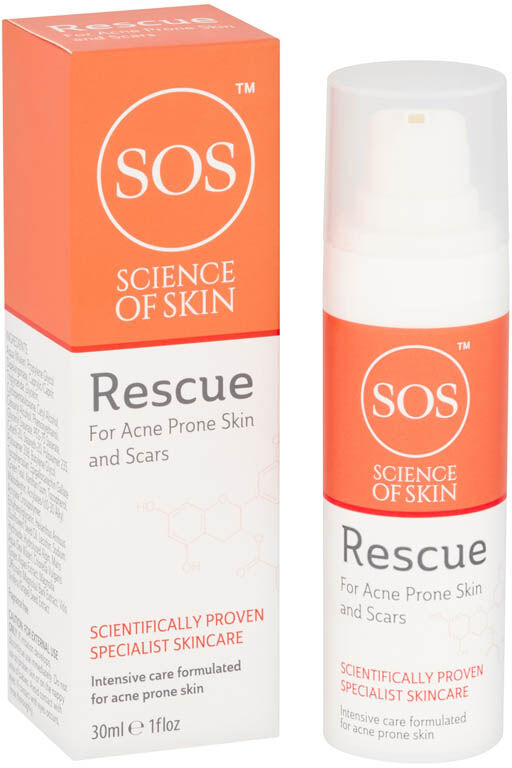
Science of Skin Rescue No.One 30mlScience of Skin Rescue No.One is scientifically proven to reduce and soothe redness and scarring. Specially formulated to combat redness, scarring produced by acne, spots and blemishes with active key ingredient green tea extract (EGCG). Ingredients Aqua (Water), Dipropylene Glycol Diperlargonate, Caprylic/Capric Triglyceride, Glycerin, Cyclopentasiloxane, Cetyl Alcohol, Cetearyl Alcohol, Phenoxyethanol, Glyceryl Stearate, PEG-75Stearate, Ceteth-20, Steareth-20, Poloxamer 235, Poloxamer 338, Butylene Glycol, Tocophersolan, Epigallocatechin Gallate (Green Tea), Xanthan Gum, Tocopherol, Maltodextrin, Acrylates/C10-30 Alkyl Acrylate Crosspolymer, Ethylhexylglycerin, Helianthus Annuus (Sunflower) Seed Oil, Lecithin, Sodium Hydroxide, Hydrolyzed Algin, Maris Aqua (Sea Water), Chlorella Vulgaris (Green Algae) Extract, Magnolia Officinalis (Magnolia) Bark Extract, Vitis Vinifera (Grape) Seed Extract.21,99 £*Shipping: 2,95 £Secure redirect to the provider
-
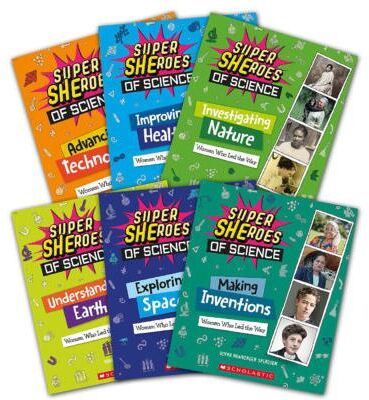
Super SHEroes of Science Value PackThis brand-new series highlights some of the major contributions women have made in the world of science.This set includes:Super SHEroes of Science: Advancing TechnologySuper SHEroes of Science: Exploring SpaceSuper SHEroes of Science: Improving...40,74 $*Shipping: 0,00 $Secure redirect to the provider
-
How can functions be determined based on their properties?
Functions can be determined based on their properties by analyzing their behavior and characteristics. For example, the domain and range of a function can provide insight into its behavior and help determine its properties. Additionally, the shape of the graph of a function can reveal information about its properties, such as whether it is increasing, decreasing, or constant. Furthermore, the algebraic expression of a function can also provide clues about its properties, such as whether it is linear, quadratic, exponential, or trigonometric. By considering these and other properties, one can determine the nature and behavior of a function. **
-
Do science fiction novels like Illuminati or Hitchhiker's Guide to the Galaxy based on your truths?
No, science fiction novels like Illuminati or Hitchhiker's Guide to the Galaxy are not based on truths. They are works of fiction that explore imaginative and speculative concepts, often set in futuristic or fantastical worlds. While they may incorporate elements of science or technology, they are not intended to reflect reality or present factual information. Instead, they offer creative and entertaining narratives that challenge readers to think beyond the constraints of our current understanding of the world. **
-
Water-based or silicone-based?
The choice between water-based and silicone-based lubricants depends on personal preference and intended use. Water-based lubricants are versatile, easy to clean, and compatible with most sex toys, but may require more frequent reapplication. Silicone-based lubricants are longer-lasting, great for water play, and have a silkier feel, but can be harder to clean and may not be compatible with silicone sex toys. Ultimately, it's important to consider your specific needs and preferences when choosing between water-based and silicone-based lubricants. **
-
How can one calculate a polynomial function based on 3 properties?
To calculate a polynomial function based on 3 properties, you can use the method of interpolation. First, you need to identify the three properties of the polynomial, such as the degree, the roots, or the values at specific points. Then, you can use these properties to set up a system of equations and solve for the coefficients of the polynomial. Once you have the coefficients, you can construct the polynomial function using the general form of a polynomial and the specific coefficients you have found. **

Is computer science a natural science?
Computer science is not considered a natural science, but rather a formal science. Natural sciences, such as biology, chemistry, and physics, study the natural world and its phenomena. In contrast, computer science focuses on the study of algorithms, data structures, and the design and analysis of computational systems. While computer science may draw on principles from mathematics and engineering, it is not classified as a natural science. **
How can one determine polynomial functions based on the properties of their graph?
One can determine polynomial functions based on the properties of their graph by examining the behavior of the graph at its intercepts, turning points, and end behavior. The x-intercepts of the graph correspond to the roots of the polynomial function, which can be used to determine the factors of the polynomial. The turning points of the graph can provide information about the degree and leading coefficient of the polynomial. Additionally, the end behavior of the graph can help determine the degree and leading term of the polynomial function. By analyzing these properties, one can determine the polynomial function that corresponds to the given graph. **
Top-Angebote
Products related to Science-based:
-
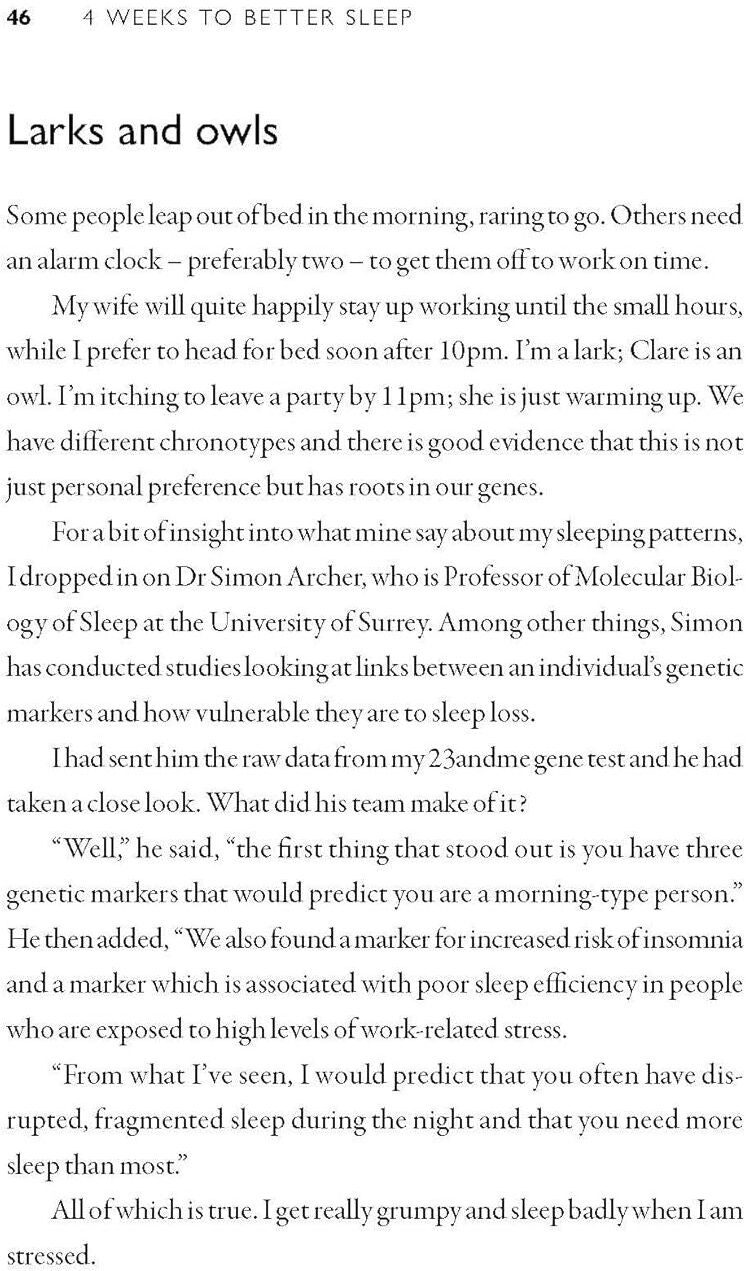
Short Books 4 Weeks to Better Sleep by Michael Mosley – Science-Based Guide to Sleep & Insomnia ReliefTransform your sleep and overall wellbeing with 4 Weeks to Better Sleep by Michael Mosley. Backed by the latest scientific research, this practical guide offers a simple, step-by-step plan to help you improve your sleep in just four weeks. Dr Mosley explains the science behind sleep and provides effective strategies to tackle common problems such as insomnia, poor sleep quality, and fatigue. Packed with actionable tips, lifestyle advice, and easy-to-follow routines, this book helps you build healthier habits that lead to deeper, more restorative sleep. Whether you struggle to fall asleep, wake during the night, or feel tired during the day, this guide offers realistic solutions that work. Why Readers Love This Book: Science-based approach to better sleep and wellbeing Practical 4-week plan with clear steps Helps with insomnia, stress, and sleep quality Easy-to-follow advice for everyday life Written by trusted health expert Dr Michael Mosley A must-read for anyone looking to improve their sleep naturally, 4 Weeks to Better Sleep provides the tools you need for lasting change.4,99 £*Shipping: 1,99 £Secure redirect to the provider
-
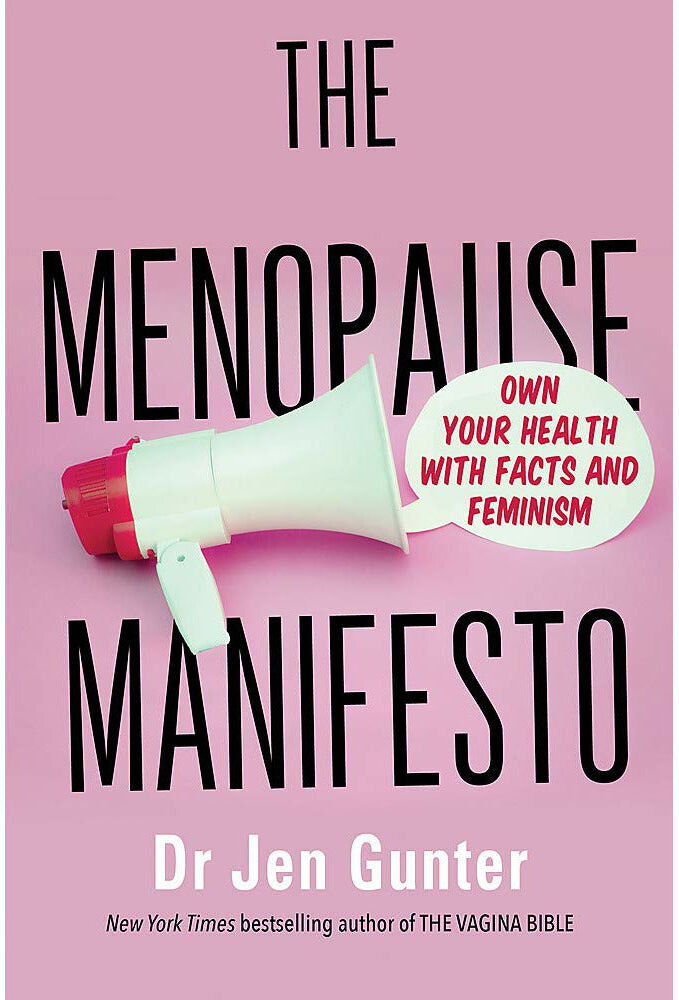
Piatkus The Menopause Manifesto by Dr. Jen Gunter The Science-Based Guide to Thriving Through Menopause - Understanding Hormones, Health & ChangeIn The Menopause Manifesto internationally renowned, New York Times bestselling author Dr Jen Gunter brings you empowerment through knowledge by countering stubborn myths and misunderstandings about menopause with hard facts, real science, fascinating historical perspective and expert advice.The only thing predictable about menopause is its unpredictability. Factor in widespread misinformation, a lack of research, and the culture of shame around women's bodies, and it's no wonder women are unsure what to expect during the menopause transition and beyond.Menopause is not a disease - it's a planned change, like puberty. And just like puberty, we should be educated on what's to come years in advance, rather than the current practice of leaving people on their own with bothersome symptoms and too much conflicting information. Knowing what is happening, why and what to do about it is both empowering and reassuring.Frank and funny, Dr Jen debunks misogynistic attitudes and challenges the over-mystification of menopause to reveal everything you really need to know about:* Perimenopause* Hot flashes* Sleep disruption* Sex and libido* Depression and mood changes* Skin and hair issues* Outdated therapies* Breast health* Weight and muscle mass* Health maintenance screening* And much moreFilled with practical, reassuring information, this essential guide will revolutionise how women experience menopause - including how their lives can be even better for it!4,70 £*Shipping: 1,99 £Secure redirect to the provider
-
Klutz: Gross Nose ScienceSqueeze slimy snots through a soft and squishy nose! Explore ten different experiments on sinus-based anatomy, make sense of scents with the power of smell, and even whip up a batch of boogers! Learn how snot, mucus, and nose hairs protect your...24,99 $*Shipping: 0,00 $Secure redirect to the provider
-
Scholastic Horrible Science 6 Books Collection Set by Nick Arnold – Educational Science Collection for KidsHorrible Science Collection 6 Books Set by Nick Arnold (Blood Bones and Body Bits, Microscopic Monsters, Nasty Nature, Painful Poison, Shocking Electricity, Space Stars and Slimy Aliens) Blood, Bones and Body Bits: Peek inside to discover all the squishy secrets of your body – including the nasty bits nobody wants to tell you! Find out what happens when a boil bursts (ugh) See what lives in your eyelashes (ewwwww) Gulp at the workings of your disgusting digestion (enough now...) And discover why corpses need haircuts even after they’re dead (blergh) Microscopic Monsters: Look down your microscope and dare to discover the terribly teeny world of Microscopic Monsters. Discover what makes our guts a brilliant home for bacteria, how germs make dead bodies explode and which creature lays its eggs between our toes. Nasty Nature: All the animals in HORRIBLE SCIENCE: NASTY NATURE are the deadliest, most disgusting and nastiest things that nature has to offer! So only read on if you're ready to find out: how vampire bats slurp blood, what a singing gorilla sounds like, how to dodge a man-eating tiger and which Japanese fish dish can kill you. Painful Poison: Get ready for a deadly dose of excitement with the petrifying Painful Poison. It's bubbling with killer substances that are strictly not for the nervous - and will have all kinds of evil effects on you. Discover how you can turn your brother into a zombie slave and why you are breathing poison right now! Shocking Electricity: Horrible Science: Shocking Electricity is packed with sizzling zap-filled facts to electrify every reader. Children can find out about the scientist who gave electric shocks to his eyeballs, that lightning can strike you with heat five times hotter than the sun and much more besides! Space, Stars and Slimy Aliens: Zoom to the stars with Oddblob the alien, and take part in a spacewalk that's out of this world and learn what the moon smells like. Find out all the horrible facts about space like which astronomers killed people and why space makes your guts explode!8,50 £*Shipping: 2,99 £Secure redirect to the provider
-
What is the difference between a language-based and a science-based high school diploma?
A language-based high school diploma typically focuses on subjects such as literature, languages, and social sciences, emphasizing communication and critical thinking skills. On the other hand, a science-based high school diploma places more emphasis on subjects like mathematics, biology, chemistry, and physics, focusing on analytical and problem-solving skills. The language-based diploma may be more suitable for students interested in humanities and social sciences, while the science-based diploma may be more suitable for students interested in STEM fields. **
-
Can you explain the difference between a society based on social classes and a society based on social estates?
A society based on social classes is characterized by a hierarchical structure where individuals are grouped based on their economic status, occupation, and wealth. This system often leads to inequality and limited social mobility, as individuals are born into their respective classes and have limited opportunities to move between them. On the other hand, a society based on social estates is a system where individuals are grouped into distinct categories based on their roles and responsibilities in society, such as clergy, nobility, and commoners. This system was prevalent in feudal societies, where individuals were born into their respective estates and had specific rights and obligations based on their estate. Unlike social classes, social estates were often based on hereditary status and were more rigid in terms of social mobility. **
-
How can functions be determined based on their properties?
Functions can be determined based on their properties by analyzing their behavior and characteristics. For example, the domain and range of a function can provide insight into its behavior and help determine its properties. Additionally, the shape of the graph of a function can reveal information about its properties, such as whether it is increasing, decreasing, or constant. Furthermore, the algebraic expression of a function can also provide clues about its properties, such as whether it is linear, quadratic, exponential, or trigonometric. By considering these and other properties, one can determine the nature and behavior of a function. **
-
Do science fiction novels like Illuminati or Hitchhiker's Guide to the Galaxy based on your truths?
No, science fiction novels like Illuminati or Hitchhiker's Guide to the Galaxy are not based on truths. They are works of fiction that explore imaginative and speculative concepts, often set in futuristic or fantastical worlds. While they may incorporate elements of science or technology, they are not intended to reflect reality or present factual information. Instead, they offer creative and entertaining narratives that challenge readers to think beyond the constraints of our current understanding of the world. **
Similar search terms for Science-based
-
Science of Skin Rescue No.One 30mlScience of Skin Rescue No.One is scientifically proven to reduce and soothe redness and scarring. Specially formulated to combat redness, scarring produced by acne, spots and blemishes with active key ingredient green tea extract (EGCG). Ingredients Aqua (Water), Dipropylene Glycol Diperlargonate, Caprylic/Capric Triglyceride, Glycerin, Cyclopentasiloxane, Cetyl Alcohol, Cetearyl Alcohol, Phenoxyethanol, Glyceryl Stearate, PEG-75Stearate, Ceteth-20, Steareth-20, Poloxamer 235, Poloxamer 338, Butylene Glycol, Tocophersolan, Epigallocatechin Gallate (Green Tea), Xanthan Gum, Tocopherol, Maltodextrin, Acrylates/C10-30 Alkyl Acrylate Crosspolymer, Ethylhexylglycerin, Helianthus Annuus (Sunflower) Seed Oil, Lecithin, Sodium Hydroxide, Hydrolyzed Algin, Maris Aqua (Sea Water), Chlorella Vulgaris (Green Algae) Extract, Magnolia Officinalis (Magnolia) Bark Extract, Vitis Vinifera (Grape) Seed Extract.21,99 £*Shipping: 2,95 £Secure redirect to the provider
-
Super SHEroes of Science Value PackThis brand-new series highlights some of the major contributions women have made in the world of science.This set includes:Super SHEroes of Science: Advancing TechnologySuper SHEroes of Science: Exploring SpaceSuper SHEroes of Science: Improving...40,74 $*Shipping: 0,00 $Secure redirect to the provider
-
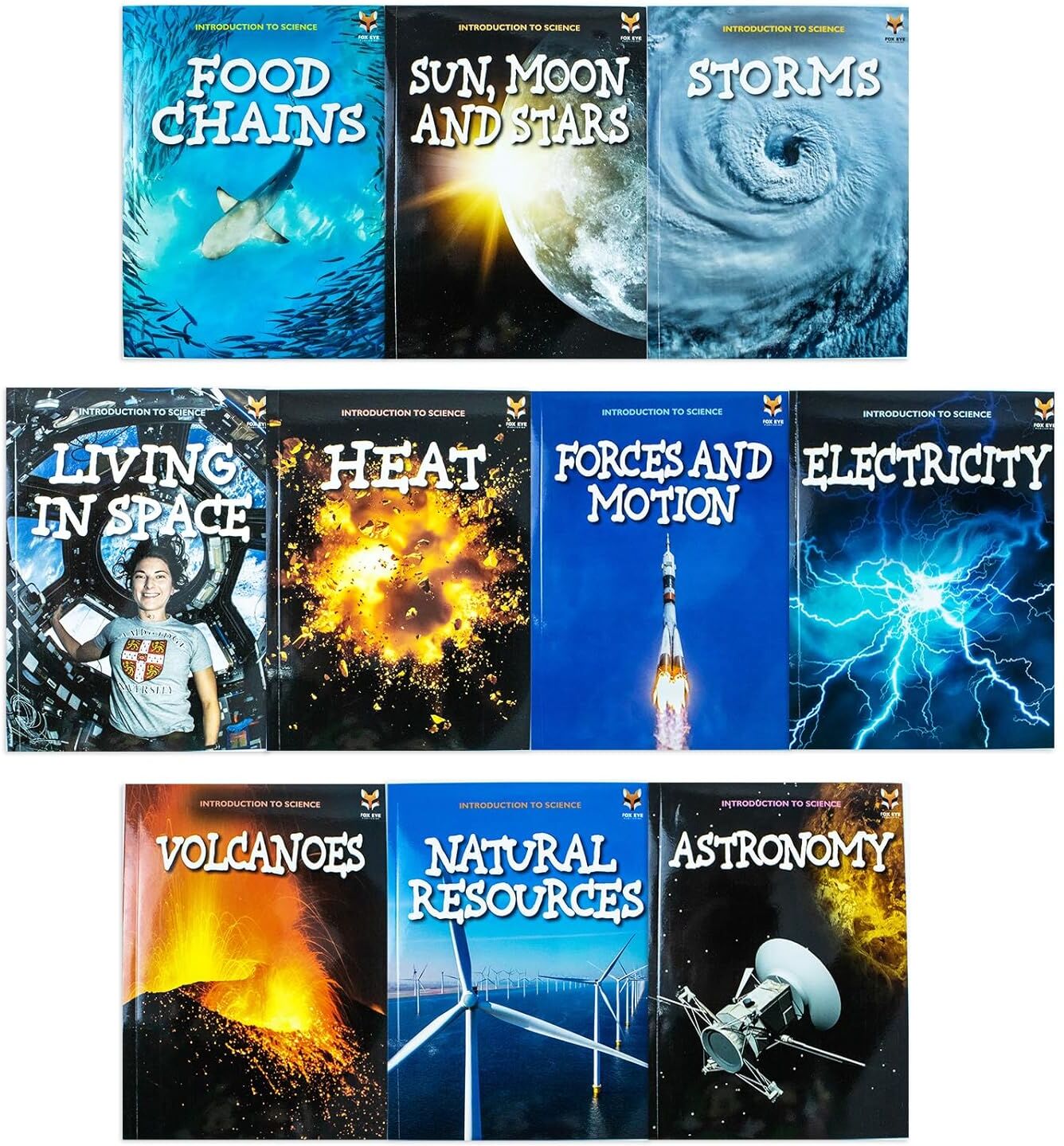
Fox Eye Publishing Introduction to Science for Beginners Series 1 – 10 Books Collection Set – Educational Science CollectionThe 'Introduction to Science Series 1' comprises a comprehensive 10-book set designed to introduce readers to various captivating realms of scientific exploration. Each book within this series delves into a specific area of scientific study, offering an accessible and engaging overview. Introduction to Astronomy: How do people study the stars, planets and other objects in space? Find out the answer to this question and many more inside. Introduction to Electricity: What is electricity and how do we use it? Find out about the amazing power of electricity inside. Introduction to Living in Space: What is it like to live in space? Where do you sleep, what do you eat and how do you work? Find out about the wonders of living in space inside. Introduction to Food Chains: What are food chains and why do we need them? Find out about the amazing world of food chains inside. Introduction to Forces and Motion: What are forces and how do we use them? Find out about the amazing world of forces inside. Introduction to Heat: What is heat and how do we use it? Find out about the amazing power of heat inside. Introduction to Storms: What causes Earth’s fierce storms? Learn the answer to this question and many others inside. Introduction to Sun, Moon and Stars: How are stars created and how did we land on the Moon? Find out about the wonders of our universe inside. Introduction to Volcanoes: Volcanoes can cause terrible destruction, but can also be incredibly useful. Find out more about them inside. Introduction to Natural Resources: What are natural resources and why do we need them? Find out about our amazing world of natural resources inside. This series offers a gateway to scientific knowledge, catering to both beginners and enthusiasts alike, inviting readers on an educational journey through the wonders of our natural world and beyond.9,95 £*Shipping: 2,99 £Secure redirect to the provider
-
Science-powered Serum & Magic Cream Kit - Skincare Kit Charlotte Tilbury 2986 Science-powered Serum & Magic Cream Kit Size:Darlings, discover my clinically proven Science-Powered Serum & Magic Cream Kit - it's a supercharged, results-driven skincare kit featuring my iconic face serum and moisturiser! ONLY available on CharlotteTilbury.com and the App, this kit includes NEW! Charlotte's Magic Cream with Recoverstem Peptide and Charlotte's Magic Serum Crystal Elixir.122,40 £*Shipping: 0,00 £Secure redirect to the provider
-
Water-based or silicone-based?
The choice between water-based and silicone-based lubricants depends on personal preference and intended use. Water-based lubricants are versatile, easy to clean, and compatible with most sex toys, but may require more frequent reapplication. Silicone-based lubricants are longer-lasting, great for water play, and have a silkier feel, but can be harder to clean and may not be compatible with silicone sex toys. Ultimately, it's important to consider your specific needs and preferences when choosing between water-based and silicone-based lubricants. **
-
How can one calculate a polynomial function based on 3 properties?
To calculate a polynomial function based on 3 properties, you can use the method of interpolation. First, you need to identify the three properties of the polynomial, such as the degree, the roots, or the values at specific points. Then, you can use these properties to set up a system of equations and solve for the coefficients of the polynomial. Once you have the coefficients, you can construct the polynomial function using the general form of a polynomial and the specific coefficients you have found. **
-
Is computer science a natural science?
Computer science is not considered a natural science, but rather a formal science. Natural sciences, such as biology, chemistry, and physics, study the natural world and its phenomena. In contrast, computer science focuses on the study of algorithms, data structures, and the design and analysis of computational systems. While computer science may draw on principles from mathematics and engineering, it is not classified as a natural science. **
-
How can one determine polynomial functions based on the properties of their graph?
One can determine polynomial functions based on the properties of their graph by examining the behavior of the graph at its intercepts, turning points, and end behavior. The x-intercepts of the graph correspond to the roots of the polynomial function, which can be used to determine the factors of the polynomial. The turning points of the graph can provide information about the degree and leading coefficient of the polynomial. Additionally, the end behavior of the graph can help determine the degree and leading term of the polynomial function. By analyzing these properties, one can determine the polynomial function that corresponds to the given graph. **
* All prices are inclusive of VAT and, if applicable, plus shipping costs. The offer information is based on the details provided by the respective shop and is updated through automated processes. Real-time updates do not occur, so deviations can occur in individual cases. ** Note: Parts of this content were created by AI.