Buy fincas.eu ?
We are moving the project
fincas.eu .
Are you interested in purchasing the domain
fincas.eu ?
domain@kv-gmbh.de · 0541-91531010
Buy fincas.eu ?
Why is it called a woodwind instrument?
It is called a woodwind instrument because historically, the body of the instrument was made out of wood. Even though many modern woodwind instruments are now made out of other materials such as metal or plastic, the name has stuck. Additionally, the sound is produced by blowing air through a mouthpiece, causing a reed or an air column to vibrate, which is why it is also referred to as a "wind" instrument. The combination of the material and the method of sound production led to the name "woodwind instrument." **
Why are saxophone and flute considered woodwind instruments?
Saxophones and flutes are considered woodwind instruments because they produce sound by the vibration of air within a tube, which is a characteristic of woodwind instruments. Despite the fact that saxophones are typically made of brass, they are classified as woodwinds due to their method of sound production. Flutes, on the other hand, are traditionally made of wood, but modern flutes are often made of metal or other materials. Both instruments are played by blowing air through a mouthpiece, causing a reed or the edge of a hole to vibrate and produce sound. **
Similar search terms for Woodwind
Top-Angebote
Products related to Woodwind:



-
Why is the flute considered a woodwind instrument?
The flute is considered a woodwind instrument because historically, it was made of wood. Even though modern flutes are typically made of metal, they are still classified as woodwinds because they produce sound by blowing air across a sharp edge, similar to other woodwind instruments like the clarinet and oboe. Additionally, the flute is played by blowing air into a mouthpiece, which is a characteristic of woodwind instruments. **
-
Does using a woodwind instrument cause crooked teeth?
Using a woodwind instrument does not directly cause crooked teeth. However, excessive pressure on the teeth and jaw from playing a woodwind instrument for long periods of time can potentially contribute to misalignment of the teeth. It is important for musicians to maintain good oral health and be aware of any changes in their bite or jaw alignment while playing. Regular dental check-ups and proper technique can help prevent any potential issues with teeth alignment. **
-
What is the difference between woodwind and brass instruments?
Woodwind instruments produce sound by the vibration of air within a tube, typically using a reed or by blowing across a mouthpiece. Examples of woodwind instruments include the flute, clarinet, and saxophone. On the other hand, brass instruments produce sound by the vibration of the player's lips against a mouthpiece, with the sound amplified by the instrument's metal tubing. Examples of brass instruments include the trumpet, trombone, and tuba. The main difference between the two is the method of sound production, with woodwinds using reeds or air blowing and brass instruments using the player's lips. **
-
What is included in the music exam D2 for woodwind instruments (clarinet)?
In the music exam D2 for woodwind instruments, such as the clarinet, students are typically required to perform three pieces from different musical periods. They must also demonstrate technical exercises, scales, and arpeggios. Additionally, students are expected to sight-read a piece of music and answer questions related to music theory and general knowledge. The exam aims to assess the student's overall musicianship, technical skills, and understanding of music theory. **
Why does the Catholic Church keep its land properties?
The Catholic Church keeps its land properties for a variety of reasons. One reason is to provide a physical presence in communities where they can offer services such as schools, hospitals, and social programs. Additionally, owning land allows the Church to maintain historical and cultural sites that are important to the faith. Finally, land ownership can also provide a source of income through renting or leasing properties, which can help fund the Church's operations and charitable activities. **
How can one merge properties and land parcels together?
One way to merge properties and land parcels together is through a process called property consolidation. This involves legally combining multiple parcels of land into a single, larger parcel. This can be done by filing a request with the local government or planning department, providing documentation such as surveys and deeds, and paying any required fees. It is important to consult with a real estate attorney or land use professional to ensure the process is done correctly and in compliance with local regulations. **
Top-Angebote
Products related to Woodwind:
-
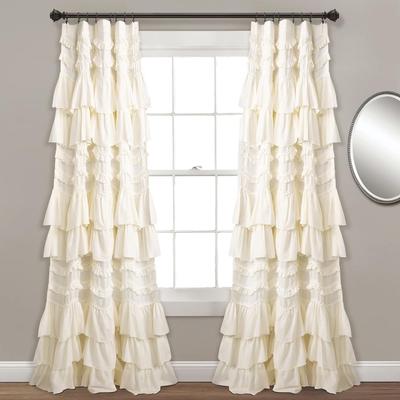
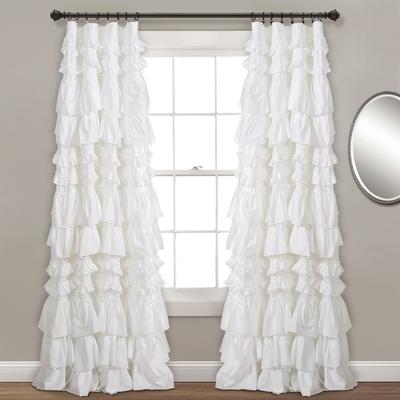
The Gray Barn Hallelujah Acres Window Curtain PanelLend a little something lovely to your home with this ruffled curtain panel. Your choice of light, gentle colors brings grace and splendor to your space, and the pom pom detail adds a dash of fun.50,99 $*Shipping: 0,00 $Secure redirect to the provider
-
Why is it called a woodwind instrument?
It is called a woodwind instrument because historically, the body of the instrument was made out of wood. Even though many modern woodwind instruments are now made out of other materials such as metal or plastic, the name has stuck. Additionally, the sound is produced by blowing air through a mouthpiece, causing a reed or an air column to vibrate, which is why it is also referred to as a "wind" instrument. The combination of the material and the method of sound production led to the name "woodwind instrument." **
-
Why are saxophone and flute considered woodwind instruments?
Saxophones and flutes are considered woodwind instruments because they produce sound by the vibration of air within a tube, which is a characteristic of woodwind instruments. Despite the fact that saxophones are typically made of brass, they are classified as woodwinds due to their method of sound production. Flutes, on the other hand, are traditionally made of wood, but modern flutes are often made of metal or other materials. Both instruments are played by blowing air through a mouthpiece, causing a reed or the edge of a hole to vibrate and produce sound. **
-
Why is the flute considered a woodwind instrument?
The flute is considered a woodwind instrument because historically, it was made of wood. Even though modern flutes are typically made of metal, they are still classified as woodwinds because they produce sound by blowing air across a sharp edge, similar to other woodwind instruments like the clarinet and oboe. Additionally, the flute is played by blowing air into a mouthpiece, which is a characteristic of woodwind instruments. **
-
Does using a woodwind instrument cause crooked teeth?
Using a woodwind instrument does not directly cause crooked teeth. However, excessive pressure on the teeth and jaw from playing a woodwind instrument for long periods of time can potentially contribute to misalignment of the teeth. It is important for musicians to maintain good oral health and be aware of any changes in their bite or jaw alignment while playing. Regular dental check-ups and proper technique can help prevent any potential issues with teeth alignment. **
Similar search terms for Woodwind
-
The Gray Barn Hallelujah Acres Window Curtain PanelLend a little something lovely to your home with this ruffled curtain panel. Your choice of light, gentle colors brings grace and splendor to your space, and the pom pom detail adds a dash of fun.50,99 $*Shipping: 0,00 $Secure redirect to the provider
-
What is the difference between woodwind and brass instruments?
Woodwind instruments produce sound by the vibration of air within a tube, typically using a reed or by blowing across a mouthpiece. Examples of woodwind instruments include the flute, clarinet, and saxophone. On the other hand, brass instruments produce sound by the vibration of the player's lips against a mouthpiece, with the sound amplified by the instrument's metal tubing. Examples of brass instruments include the trumpet, trombone, and tuba. The main difference between the two is the method of sound production, with woodwinds using reeds or air blowing and brass instruments using the player's lips. **
-
What is included in the music exam D2 for woodwind instruments (clarinet)?
In the music exam D2 for woodwind instruments, such as the clarinet, students are typically required to perform three pieces from different musical periods. They must also demonstrate technical exercises, scales, and arpeggios. Additionally, students are expected to sight-read a piece of music and answer questions related to music theory and general knowledge. The exam aims to assess the student's overall musicianship, technical skills, and understanding of music theory. **
-
Why does the Catholic Church keep its land properties?
The Catholic Church keeps its land properties for a variety of reasons. One reason is to provide a physical presence in communities where they can offer services such as schools, hospitals, and social programs. Additionally, owning land allows the Church to maintain historical and cultural sites that are important to the faith. Finally, land ownership can also provide a source of income through renting or leasing properties, which can help fund the Church's operations and charitable activities. **
-
How can one merge properties and land parcels together?
One way to merge properties and land parcels together is through a process called property consolidation. This involves legally combining multiple parcels of land into a single, larger parcel. This can be done by filing a request with the local government or planning department, providing documentation such as surveys and deeds, and paying any required fees. It is important to consult with a real estate attorney or land use professional to ensure the process is done correctly and in compliance with local regulations. **
* All prices are inclusive of VAT and, if applicable, plus shipping costs. The offer information is based on the details provided by the respective shop and is updated through automated processes. Real-time updates do not occur, so deviations can occur in individual cases. ** Note: Parts of this content were created by AI.