Buy fincas.eu ?
We are moving the project
fincas.eu .
Are you interested in purchasing the domain
fincas.eu ?
domain@kv-gmbh.de · 0541-91531010
Buy fincas.eu ?
What are the properties of acids and bases?
Acids are substances that release hydrogen ions (H+) when dissolved in water, have a sour taste, turn blue litmus paper red, and have a pH less than 7. Bases are substances that release hydroxide ions (OH-) when dissolved in water, have a bitter taste, feel slippery, turn red litmus paper blue, and have a pH greater than 7. Acids and bases are important in various chemical reactions and play a crucial role in maintaining the pH balance in living organisms. **
Are organic acids, aliphatic acids, and carboxylic acids the same?
No, organic acids, aliphatic acids, and carboxylic acids are not the same. Organic acids are a broad category of acids that are derived from living organisms and can include carboxylic acids, as well as other types of acids such as phenols and sulfonic acids. Aliphatic acids are a specific subset of organic acids that are characterized by having straight or branched carbon chains. Carboxylic acids are a type of organic acid that contain a carboxyl group (COOH) and are a subset of aliphatic acids. Therefore, while all carboxylic acids are organic acids and aliphatic acids, not all organic acids or aliphatic acids are carboxylic acids. **
Similar search terms for Acids
Top-Angebote
Products related to Acids:
-
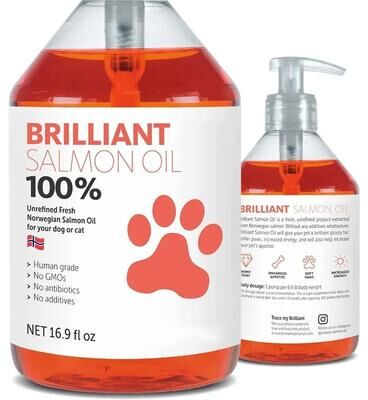
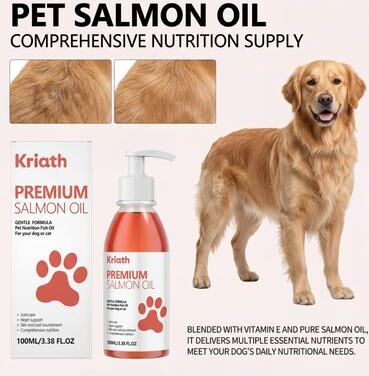
Happy Pet Pantry Premium Salmon Oil For Dogs And Cats Liquid Omega 3 Fatty Acids Pet Supplement For Skin Premium Salmon Oil For Dogs And Cats Liquid Omega 3 Fatty Acids Pet Supplement For SkinGive your furry companion the daily boost they deserve with this deeply nourishing liquid supplement, crafted for both dogs and cats. This 100ml bottle of pure salmon oil delivers concentrated omega 3 fatty acids pet supplement goodness that...32,97 $*Shipping: 0,00 $Secure redirect to the provider
-
The Gray Barn Hallelujah Acres Window Curtain PanelLend a little something lovely to your home with this ruffled curtain panel. Your choice of light, gentle colors brings grace and splendor to your space, and the pom pom detail adds a dash of fun.50,99 $*Shipping: 0,00 $Secure redirect to the provider



-
How do inorganic acids differ from carboxylic acids?
Inorganic acids are typically derived from inorganic compounds and do not contain a carboxyl group (–COOH) like carboxylic acids. Inorganic acids are usually simpler in structure and are often strong acids, meaning they completely dissociate in water to release hydrogen ions. Carboxylic acids, on the other hand, contain a carboxyl group and are organic compounds that are typically weaker acids compared to inorganic acids. Additionally, carboxylic acids are commonly found in nature and are important in biological processes. **
-
What are the properties of carboxylic acids within the homologous series?
Carboxylic acids within the homologous series share similar properties due to their common functional group, which is the carboxyl group (-COOH). These compounds are characterized by their acidic nature, as they can donate a proton from the carboxyl group. They also have higher boiling points compared to hydrocarbons of similar molecular weight due to the presence of hydrogen bonding between carboxylic acid molecules. Additionally, carboxylic acids are polar molecules, making them soluble in polar solvents like water. **
-
Why are simple organic acids also called alkanes acids?
Simple organic acids are also called alkanes acids because they are derived from alkanes, which are saturated hydrocarbons. These acids have a carboxyl group (-COOH) attached to an alkyl group, making them a type of alkane derivative. The simplest organic acid, formic acid, is derived from methane, the simplest alkane. The naming convention reflects the structural relationship between alkanes and organic acids. **
-
Why are simple organic acids also called alkanic acids?
Simple organic acids are also called alkanic acids because they are derived from alkanes, which are saturated hydrocarbons. These acids contain a carboxyl group (-COOH) attached to an alkyl group, which is a hydrocarbon chain. The alkyl group in these acids is derived from alkanes, hence the name alkanic acids. Examples of alkanic acids include acetic acid (derived from methane) and formic acid (derived from methanol). **


Do strong acids conduct electricity better than weak acids?
Yes, strong acids conduct electricity better than weak acids. This is because strong acids completely dissociate into ions in solution, resulting in a higher concentration of ions available to carry an electric current. On the other hand, weak acids only partially dissociate, leading to a lower concentration of ions and therefore lower conductivity. **
Can you help me with an exercise on the properties of acids?
Of course! I'd be happy to help you with an exercise on the properties of acids. Please provide me with the specific details or questions related to the exercise, and I'll do my best to assist you in understanding the properties of acids. **
Top-Angebote
Products related to Acids:
-
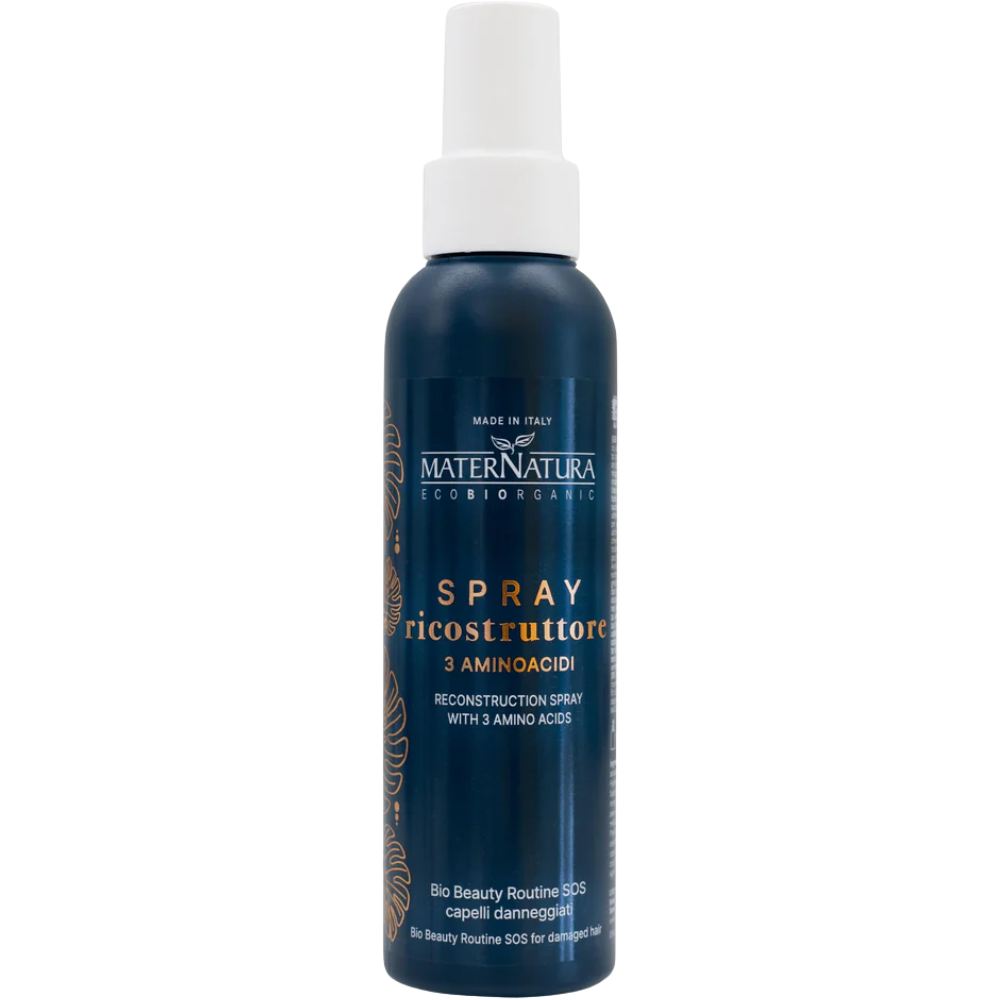
Maternatura Reconstruction Hair Spray with 3 Amino Acids 100mLA hair-care product. It an intensive leave-in treatment formulated for damaged, dry, or chemically treated hair. This lightweight spray restores strength, softness, and elasticity while protecting hair from daily stress and environmental damage. Repairs and seals split ends instantly. Strengthens and thickens the hair fiber without weighing it down.12,62 £*Shipping: 5,34 £Secure redirect to the provider
-
Inspired Finds Natural Salmon Fish Oil Supplement For Dogs & Cats With Omega Fatty Acids Natural Salmon Fish Oil Supplement For Dogs & Cats With Omega Fatty AcidsSupport your pets overall wellness with this nutrientrich salmon fish oil for pets formulated to help maintain healthy skin, a shiny coat, strong joints, and daily vitality. Packed with essential omega fatty acids, this easytouse liquid supplement...78,99 $*Shipping: 0,00 $Secure redirect to the provider
-
Happy Pet Pantry Premium Salmon Oil For Dogs And Cats Liquid Omega 3 Fatty Acids Pet Supplement For Skin Premium Salmon Oil For Dogs And Cats Liquid Omega 3 Fatty Acids Pet Supplement For SkinGive your furry companion the daily boost they deserve with this deeply nourishing liquid supplement, crafted for both dogs and cats. This 100ml bottle of pure salmon oil delivers concentrated omega 3 fatty acids pet supplement goodness that...32,97 $*Shipping: 0,00 $Secure redirect to the provider
-
What are the properties of acids and bases?
Acids are substances that release hydrogen ions (H+) when dissolved in water, have a sour taste, turn blue litmus paper red, and have a pH less than 7. Bases are substances that release hydroxide ions (OH-) when dissolved in water, have a bitter taste, feel slippery, turn red litmus paper blue, and have a pH greater than 7. Acids and bases are important in various chemical reactions and play a crucial role in maintaining the pH balance in living organisms. **
-
Are organic acids, aliphatic acids, and carboxylic acids the same?
No, organic acids, aliphatic acids, and carboxylic acids are not the same. Organic acids are a broad category of acids that are derived from living organisms and can include carboxylic acids, as well as other types of acids such as phenols and sulfonic acids. Aliphatic acids are a specific subset of organic acids that are characterized by having straight or branched carbon chains. Carboxylic acids are a type of organic acid that contain a carboxyl group (COOH) and are a subset of aliphatic acids. Therefore, while all carboxylic acids are organic acids and aliphatic acids, not all organic acids or aliphatic acids are carboxylic acids. **
-
How do inorganic acids differ from carboxylic acids?
Inorganic acids are typically derived from inorganic compounds and do not contain a carboxyl group (–COOH) like carboxylic acids. Inorganic acids are usually simpler in structure and are often strong acids, meaning they completely dissociate in water to release hydrogen ions. Carboxylic acids, on the other hand, contain a carboxyl group and are organic compounds that are typically weaker acids compared to inorganic acids. Additionally, carboxylic acids are commonly found in nature and are important in biological processes. **
-
What are the properties of carboxylic acids within the homologous series?
Carboxylic acids within the homologous series share similar properties due to their common functional group, which is the carboxyl group (-COOH). These compounds are characterized by their acidic nature, as they can donate a proton from the carboxyl group. They also have higher boiling points compared to hydrocarbons of similar molecular weight due to the presence of hydrogen bonding between carboxylic acid molecules. Additionally, carboxylic acids are polar molecules, making them soluble in polar solvents like water. **
Similar search terms for Acids
-
The Gray Barn Hallelujah Acres Window Curtain PanelLend a little something lovely to your home with this ruffled curtain panel. Your choice of light, gentle colors brings grace and splendor to your space, and the pom pom detail adds a dash of fun.50,99 $*Shipping: 0,00 $Secure redirect to the provider
-
Why are simple organic acids also called alkanes acids?
Simple organic acids are also called alkanes acids because they are derived from alkanes, which are saturated hydrocarbons. These acids have a carboxyl group (-COOH) attached to an alkyl group, making them a type of alkane derivative. The simplest organic acid, formic acid, is derived from methane, the simplest alkane. The naming convention reflects the structural relationship between alkanes and organic acids. **
-
Why are simple organic acids also called alkanic acids?
Simple organic acids are also called alkanic acids because they are derived from alkanes, which are saturated hydrocarbons. These acids contain a carboxyl group (-COOH) attached to an alkyl group, which is a hydrocarbon chain. The alkyl group in these acids is derived from alkanes, hence the name alkanic acids. Examples of alkanic acids include acetic acid (derived from methane) and formic acid (derived from methanol). **
-
Do strong acids conduct electricity better than weak acids?
Yes, strong acids conduct electricity better than weak acids. This is because strong acids completely dissociate into ions in solution, resulting in a higher concentration of ions available to carry an electric current. On the other hand, weak acids only partially dissociate, leading to a lower concentration of ions and therefore lower conductivity. **
-
Can you help me with an exercise on the properties of acids?
Of course! I'd be happy to help you with an exercise on the properties of acids. Please provide me with the specific details or questions related to the exercise, and I'll do my best to assist you in understanding the properties of acids. **
* All prices are inclusive of VAT and, if applicable, plus shipping costs. The offer information is based on the details provided by the respective shop and is updated through automated processes. Real-time updates do not occur, so deviations can occur in individual cases. ** Note: Parts of this content were created by AI.