Buy fincas.eu ?
We are moving the project
fincas.eu .
Are you interested in purchasing the domain
fincas.eu ?
domain@kv-gmbh.de · 0541-91531010
Buy fincas.eu ?
How can a natural meadow be implemented in garden design?
To implement a natural meadow in garden design, one can start by selecting native grasses and wildflowers that thrive in the local climate and soil conditions. These plants should be arranged in a way that mimics the natural growth patterns found in meadows, with taller plants towards the back and shorter ones towards the front. It is important to allow the meadow to grow and evolve naturally, only intervening when necessary to control invasive species or promote biodiversity. Additionally, incorporating pathways or seating areas within the meadow can provide opportunities for people to enjoy and interact with this naturalistic garden feature. **
How can one implement a natural meadow in garden design?
To implement a natural meadow in garden design, one can start by selecting native wildflower seeds and grasses that are well-suited to the local climate and soil conditions. It's important to prepare the soil by removing any existing grass or weeds and loosening the top layer to allow for good seed-to-soil contact. Sowing the seeds in the fall or early spring, and then lightly raking them into the soil, will help promote germination. Regular watering, especially during the establishment phase, and minimal mowing or maintenance will help the meadow thrive and attract pollinators and wildlife. **
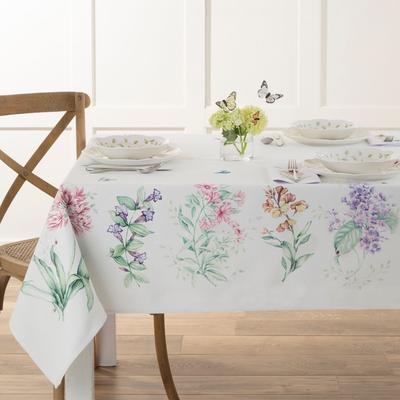

Similar search terms for Lenox-Butterfly-Meadow-Garden
Top-Angebote
Products related to Lenox-Butterfly-Meadow-Garden:
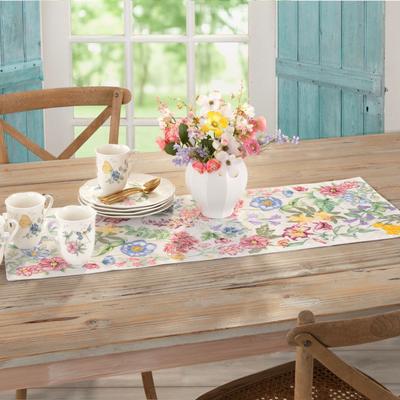
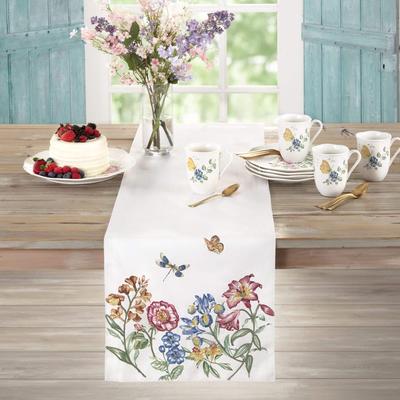
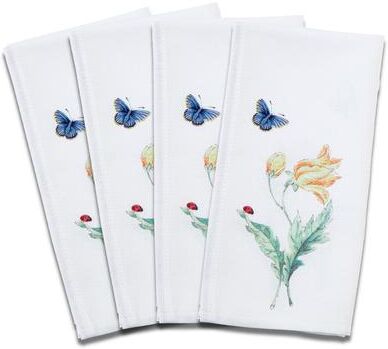

-
Does an agricultural meadow outside of a small garden association count as a small garden?
No, an agricultural meadow outside of a small garden association does not count as a small garden. A small garden typically refers to a cultivated area for growing plants, vegetables, or flowers, while an agricultural meadow is a larger, open area used for growing crops or grazing livestock. The two serve different purposes and have different characteristics, so they are not considered the same. **
-
What is there in the meadow and in the flower herb garden?
In the meadow, you can find a variety of wildflowers, grasses, and other plants. These can include daisies, clover, buttercups, and more, creating a colorful and diverse landscape. In the flower herb garden, you will find cultivated flowers and herbs such as lavender, rosemary, mint, and thyme, which are often grown for their aromatic and culinary uses. Both the meadow and the flower herb garden offer a rich array of plant life, each with its own unique beauty and purpose. **
-
On which ground does the butterfly land?
The butterfly lands on the ground covered with colorful flowers and lush greenery. It seeks out areas with nectar-producing flowers and plants to feed on. These areas provide the butterfly with the necessary nutrients and energy to sustain itself. Additionally, the butterfly may also land on the ground to rest or bask in the sunlight. **
-
How quickly does a meadow turn into fallow land?
The speed at which a meadow turns into fallow land can vary depending on various factors such as climate, soil quality, and human intervention. In some cases, a meadow can start to become fallow within a few years if it is not properly managed or if the soil becomes depleted. However, in other situations, a meadow can remain productive for several decades before transitioning into fallow land. Proper land management practices, such as crop rotation and soil conservation, can help delay the process of a meadow turning fallow. **

Why is the butterfly called butterfly in English?
The origin of the word "butterfly" in English is uncertain, but one theory suggests that it may have come from the Old English word "buttorfleoge," which means "butterfly." This could be because butterflies were often seen fluttering around dairy products like butter. Another theory is that the name comes from the yellow color of some species, resembling the color of butter. Ultimately, the exact reason for the name "butterfly" remains a bit of a mystery. **
How do you evaluate garden land?
When evaluating garden land, it is important to consider factors such as soil quality, sunlight exposure, water availability, and potential for drainage. Assessing the topography of the land, including any slopes or flat areas, can also be crucial in determining its suitability for gardening. Additionally, examining the surrounding environment for potential sources of contamination or pests is essential to ensure the health of the garden. Conducting soil tests and researching the climate of the area can further help in evaluating the potential of the garden land for successful cultivation. **
Top-Angebote
Products related to Lenox-Butterfly-Meadow-Garden:
-
How can a natural meadow be implemented in garden design?
To implement a natural meadow in garden design, one can start by selecting native grasses and wildflowers that thrive in the local climate and soil conditions. These plants should be arranged in a way that mimics the natural growth patterns found in meadows, with taller plants towards the back and shorter ones towards the front. It is important to allow the meadow to grow and evolve naturally, only intervening when necessary to control invasive species or promote biodiversity. Additionally, incorporating pathways or seating areas within the meadow can provide opportunities for people to enjoy and interact with this naturalistic garden feature. **
-
How can one implement a natural meadow in garden design?
To implement a natural meadow in garden design, one can start by selecting native wildflower seeds and grasses that are well-suited to the local climate and soil conditions. It's important to prepare the soil by removing any existing grass or weeds and loosening the top layer to allow for good seed-to-soil contact. Sowing the seeds in the fall or early spring, and then lightly raking them into the soil, will help promote germination. Regular watering, especially during the establishment phase, and minimal mowing or maintenance will help the meadow thrive and attract pollinators and wildlife. **
-
Does an agricultural meadow outside of a small garden association count as a small garden?
No, an agricultural meadow outside of a small garden association does not count as a small garden. A small garden typically refers to a cultivated area for growing plants, vegetables, or flowers, while an agricultural meadow is a larger, open area used for growing crops or grazing livestock. The two serve different purposes and have different characteristics, so they are not considered the same. **
-
What is there in the meadow and in the flower herb garden?
In the meadow, you can find a variety of wildflowers, grasses, and other plants. These can include daisies, clover, buttercups, and more, creating a colorful and diverse landscape. In the flower herb garden, you will find cultivated flowers and herbs such as lavender, rosemary, mint, and thyme, which are often grown for their aromatic and culinary uses. Both the meadow and the flower herb garden offer a rich array of plant life, each with its own unique beauty and purpose. **
Similar search terms for Lenox-Butterfly-Meadow-Garden
-
On which ground does the butterfly land?
The butterfly lands on the ground covered with colorful flowers and lush greenery. It seeks out areas with nectar-producing flowers and plants to feed on. These areas provide the butterfly with the necessary nutrients and energy to sustain itself. Additionally, the butterfly may also land on the ground to rest or bask in the sunlight. **
-
How quickly does a meadow turn into fallow land?
The speed at which a meadow turns into fallow land can vary depending on various factors such as climate, soil quality, and human intervention. In some cases, a meadow can start to become fallow within a few years if it is not properly managed or if the soil becomes depleted. However, in other situations, a meadow can remain productive for several decades before transitioning into fallow land. Proper land management practices, such as crop rotation and soil conservation, can help delay the process of a meadow turning fallow. **
-
Why is the butterfly called butterfly in English?
The origin of the word "butterfly" in English is uncertain, but one theory suggests that it may have come from the Old English word "buttorfleoge," which means "butterfly." This could be because butterflies were often seen fluttering around dairy products like butter. Another theory is that the name comes from the yellow color of some species, resembling the color of butter. Ultimately, the exact reason for the name "butterfly" remains a bit of a mystery. **
-
How do you evaluate garden land?
When evaluating garden land, it is important to consider factors such as soil quality, sunlight exposure, water availability, and potential for drainage. Assessing the topography of the land, including any slopes or flat areas, can also be crucial in determining its suitability for gardening. Additionally, examining the surrounding environment for potential sources of contamination or pests is essential to ensure the health of the garden. Conducting soil tests and researching the climate of the area can further help in evaluating the potential of the garden land for successful cultivation. **
* All prices are inclusive of VAT and, if applicable, plus shipping costs. The offer information is based on the details provided by the respective shop and is updated through automated processes. Real-time updates do not occur, so deviations can occur in individual cases. ** Note: Parts of this content were created by AI.