Buy fincas.eu ?
We are moving the project
fincas.eu .
Are you interested in purchasing the domain
fincas.eu ?
domain@kv-gmbh.de · 0541-91531010
Buy fincas.eu ?
When do liposomes form and when do micelles form?
Liposomes form when amphiphilic molecules, such as phospholipids, arrange themselves into a bilayer structure in an aqueous environment. This occurs when the concentration of the amphiphilic molecules is above a certain threshold, allowing them to self-assemble into the bilayer structure. On the other hand, micelles form when the concentration of amphiphilic molecules is below the threshold required for liposome formation. In this case, the amphiphilic molecules arrange themselves into a spherical structure with the hydrophobic tails in the core and the hydrophilic heads on the surface, allowing them to solubilize hydrophobic molecules in the aqueous environment. **
Why do lipids form micelles or phospholipid bilayers in water?
Lipids form micelles or phospholipid bilayers in water due to their amphipathic nature. This means that they have both hydrophobic (water-repelling) and hydrophilic (water-attracting) regions. In water, the hydrophobic tails of the lipids cluster together to minimize contact with water, while the hydrophilic heads interact with the water molecules. This self-assembly into micelles or bilayers allows the lipids to create stable structures that can effectively sequester their hydrophobic tails away from water, providing a favorable energetically stable state. This is essential for the formation of cell membranes and the encapsulation of hydrophobic molecules within the body. **

Similar search terms for Micelles
Top-Angebote
Products related to Micelles:



-
Why do fats easily form so-called micelles by shaking in water?
Fats easily form micelles in water when shaken because they are amphiphilic molecules, meaning they have both hydrophobic (water-repelling) and hydrophilic (water-attracting) regions. When fats are shaken in water, the hydrophobic tails of the fat molecules cluster together to avoid contact with water, while the hydrophilic heads interact with the water molecules. This arrangement allows the fat molecules to form micelles, which are spherical structures with the hydrophobic tails in the center and the hydrophilic heads on the surface, stabilizing the fat in water. **
-
Why do fats form so-called micelles easily by shaking in water?
Fats form micelles easily in water because they are amphiphilic molecules, meaning they have both hydrophobic (water-repelling) and hydrophilic (water-attracting) parts. When fats are shaken in water, the hydrophobic tails of the fat molecules cluster together to avoid contact with water, while the hydrophilic heads interact with the water molecules. This arrangement allows the fat molecules to form micelles, which are spherical structures with the hydrophobic tails in the center and the hydrophilic heads on the surface, making them stable in water. **
-
Why does the Catholic Church keep its land properties?
The Catholic Church keeps its land properties for a variety of reasons. One reason is to provide a physical presence in communities where they can offer services such as schools, hospitals, and social programs. Additionally, owning land allows the Church to maintain historical and cultural sites that are important to the faith. Finally, land ownership can also provide a source of income through renting or leasing properties, which can help fund the Church's operations and charitable activities. **
-
How can one merge properties and land parcels together?
One way to merge properties and land parcels together is through a process called property consolidation. This involves legally combining multiple parcels of land into a single, larger parcel. This can be done by filing a request with the local government or planning department, providing documentation such as surveys and deeds, and paying any required fees. It is important to consult with a real estate attorney or land use professional to ensure the process is done correctly and in compliance with local regulations. **

How can one merge properties and parcels of land?
One way to merge properties and parcels of land is through a process called lot consolidation or lot merger. This typically involves combining adjacent parcels of land that are owned by the same individual or entity into a single, larger parcel. The process usually requires approval from local zoning authorities and may involve submitting a formal application, survey, and legal descriptions of the properties involved. Once approved, the new, merged parcel will have a single tax assessment and legal description. **
Were the regional estates represented in the Imperial Estates?
Yes, the regional estates were represented in the Imperial Estates of the Holy Roman Empire. The Imperial Estates were made up of different territories and regions, each of which was represented by its own ruler or representative. These regional estates included the princes, bishops, and cities of the empire, and they played a significant role in the governance and decision-making of the Holy Roman Empire. The regional estates had a voice in the Imperial Diet, where important matters of the empire were discussed and decided upon. **
Top-Angebote
Products related to Micelles:
-
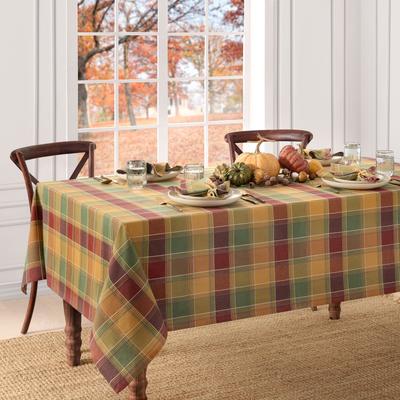
The Gray Barn Hallelujah Acres Window Curtain PanelLend a little something lovely to your home with this ruffled curtain panel. Your choice of light, gentle colors brings grace and splendor to your space, and the pom pom detail adds a dash of fun.50,99 $*Shipping: 0,00 $Secure redirect to the provider
-
When do liposomes form and when do micelles form?
Liposomes form when amphiphilic molecules, such as phospholipids, arrange themselves into a bilayer structure in an aqueous environment. This occurs when the concentration of the amphiphilic molecules is above a certain threshold, allowing them to self-assemble into the bilayer structure. On the other hand, micelles form when the concentration of amphiphilic molecules is below the threshold required for liposome formation. In this case, the amphiphilic molecules arrange themselves into a spherical structure with the hydrophobic tails in the core and the hydrophilic heads on the surface, allowing them to solubilize hydrophobic molecules in the aqueous environment. **
-
Why do lipids form micelles or phospholipid bilayers in water?
Lipids form micelles or phospholipid bilayers in water due to their amphipathic nature. This means that they have both hydrophobic (water-repelling) and hydrophilic (water-attracting) regions. In water, the hydrophobic tails of the lipids cluster together to minimize contact with water, while the hydrophilic heads interact with the water molecules. This self-assembly into micelles or bilayers allows the lipids to create stable structures that can effectively sequester their hydrophobic tails away from water, providing a favorable energetically stable state. This is essential for the formation of cell membranes and the encapsulation of hydrophobic molecules within the body. **
-
Why do fats easily form so-called micelles by shaking in water?
Fats easily form micelles in water when shaken because they are amphiphilic molecules, meaning they have both hydrophobic (water-repelling) and hydrophilic (water-attracting) regions. When fats are shaken in water, the hydrophobic tails of the fat molecules cluster together to avoid contact with water, while the hydrophilic heads interact with the water molecules. This arrangement allows the fat molecules to form micelles, which are spherical structures with the hydrophobic tails in the center and the hydrophilic heads on the surface, stabilizing the fat in water. **
-
Why do fats form so-called micelles easily by shaking in water?
Fats form micelles easily in water because they are amphiphilic molecules, meaning they have both hydrophobic (water-repelling) and hydrophilic (water-attracting) parts. When fats are shaken in water, the hydrophobic tails of the fat molecules cluster together to avoid contact with water, while the hydrophilic heads interact with the water molecules. This arrangement allows the fat molecules to form micelles, which are spherical structures with the hydrophobic tails in the center and the hydrophilic heads on the surface, making them stable in water. **
Similar search terms for Micelles
-
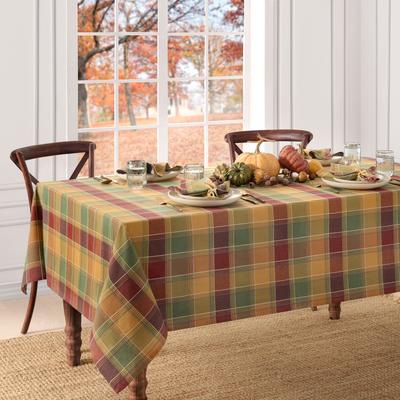
The Gray Barn Hallelujah Acres Window Curtain PanelLend a little something lovely to your home with this ruffled curtain panel. Your choice of light, gentle colors brings grace and splendor to your space, and the pom pom detail adds a dash of fun.50,99 $*Shipping: 0,00 $Secure redirect to the provider
-
Why does the Catholic Church keep its land properties?
The Catholic Church keeps its land properties for a variety of reasons. One reason is to provide a physical presence in communities where they can offer services such as schools, hospitals, and social programs. Additionally, owning land allows the Church to maintain historical and cultural sites that are important to the faith. Finally, land ownership can also provide a source of income through renting or leasing properties, which can help fund the Church's operations and charitable activities. **
-
How can one merge properties and land parcels together?
One way to merge properties and land parcels together is through a process called property consolidation. This involves legally combining multiple parcels of land into a single, larger parcel. This can be done by filing a request with the local government or planning department, providing documentation such as surveys and deeds, and paying any required fees. It is important to consult with a real estate attorney or land use professional to ensure the process is done correctly and in compliance with local regulations. **
-
How can one merge properties and parcels of land?
One way to merge properties and parcels of land is through a process called lot consolidation or lot merger. This typically involves combining adjacent parcels of land that are owned by the same individual or entity into a single, larger parcel. The process usually requires approval from local zoning authorities and may involve submitting a formal application, survey, and legal descriptions of the properties involved. Once approved, the new, merged parcel will have a single tax assessment and legal description. **
-
Were the regional estates represented in the Imperial Estates?
Yes, the regional estates were represented in the Imperial Estates of the Holy Roman Empire. The Imperial Estates were made up of different territories and regions, each of which was represented by its own ruler or representative. These regional estates included the princes, bishops, and cities of the empire, and they played a significant role in the governance and decision-making of the Holy Roman Empire. The regional estates had a voice in the Imperial Diet, where important matters of the empire were discussed and decided upon. **
* All prices are inclusive of VAT and, if applicable, plus shipping costs. The offer information is based on the details provided by the respective shop and is updated through automated processes. Real-time updates do not occur, so deviations can occur in individual cases. ** Note: Parts of this content were created by AI.