Buy fincas.eu ?
We are moving the project
fincas.eu .
Are you interested in purchasing the domain
fincas.eu ?
domain@kv-gmbh.de · 0541-91531010
Buy fincas.eu ?
How to properly use quotations?
When using quotations, it is important to properly integrate them into your writing. Always introduce the quotation with a signal phrase or context to provide the reader with the necessary background information. Use quotation marks to indicate the beginning and end of the quoted material. Additionally, make sure to cite the source of the quotation to give credit to the original author. Finally, analyze and discuss the quotation within the context of your own writing to show its relevance and significance. **
Are translations direct or indirect quotations?
Translations are indirect quotations because they convey the meaning of the original text in a different language. When translating a text, the translator is not simply repeating the exact words of the original, but rather expressing the same ideas and concepts in a different linguistic form. Therefore, translations are considered indirect quotations as they convey the meaning of the original source in a different language. **

Similar search terms for Quotations
Top-Angebote
Products related to Quotations:
-
The Gray Barn Hallelujah Acres Window Curtain PanelLend a little something lovely to your home with this ruffled curtain panel. Your choice of light, gentle colors brings grace and splendor to your space, and the pom pom detail adds a dash of fun.44,49 $*Shipping: 0,00 $Secure redirect to the provider




-
How to use direct speech in quotations?
When using direct speech in quotations, you should use quotation marks to indicate the beginning and end of the spoken words. For example, "I am going to the store," said Mary. Additionally, you should use a comma or a colon before the spoken words, depending on the structure of the sentence. Finally, make sure to capitalize the first letter of the spoken words and use appropriate punctuation within the quotation marks. **
-
Should a comma be placed before quotations?
Yes, a comma should be placed before quotations when the quoted material is part of a larger sentence. For example, "She said, 'I will be there at 5 pm.'" However, if the quoted material is a complete sentence on its own, then a comma is not necessary before the quotation. For example, "She said 'I will be there at 5 pm.'" **
-
What is the difference between f and ff in quotations?
In quotations, "f" represents the singular form of the word "and" (e.g. "bread f butter"), while "ff" represents the plural form of the word "and" (e.g. "bread ff butter"). The use of "f" and "ff" in quotations is a traditional shorthand that dates back to medieval times and is often found in historical documents and manuscripts. **
-
How does a case conversion work in direct quotations in academic citation?
In academic citation, when directly quoting a source, it is important to maintain the original case of the text. This means that if the original text is in uppercase, lowercase, or a mix of both, the quoted text should be reproduced exactly as it appears in the source. However, if you need to make a change for clarity or grammatical reasons, you can use square brackets to indicate the alteration. It is crucial to accurately represent the original text to ensure the integrity and credibility of your academic work. **


Do you have to write in the subjunctive when using indirect quotations?
Yes, when using indirect quotations, it is common to use the subjunctive in many languages. The subjunctive is used to express doubt, uncertainty, or hypothetical situations, which are often present in indirect quotations. Therefore, it is important to use the subjunctive to accurately convey the speaker's intentions or beliefs in indirect quotations. However, the specific rules for using the subjunctive in indirect quotations may vary depending on the language and its grammar rules. **
Why does the Catholic Church keep its land properties?
The Catholic Church keeps its land properties for a variety of reasons. One reason is to provide a physical presence in communities where they can offer services such as schools, hospitals, and social programs. Additionally, owning land allows the Church to maintain historical and cultural sites that are important to the faith. Finally, land ownership can also provide a source of income through renting or leasing properties, which can help fund the Church's operations and charitable activities. **
Top-Angebote
Products related to Quotations:
-
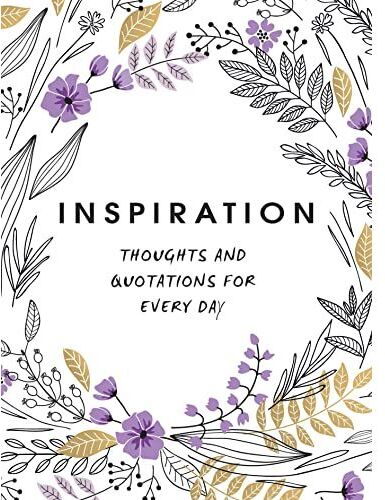
Summersdale Publishers Inspiration: Thoughts and Quotations for Every DayImmerse yourself in the words of the world’s best writers, leaders and thinkers with this beautiful book of motivational words and quotes. Inspire your heart, free your mind, and bask in the glow of positive thinking.4,99 £*Shipping: 1,99 £Secure redirect to the provider
-
The Gray Barn Hallelujah Acres Window Curtain PanelLend a little something lovely to your home with this ruffled curtain panel. Your choice of light, gentle colors brings grace and splendor to your space, and the pom pom detail adds a dash of fun.44,49 $*Shipping: 0,00 $Secure redirect to the provider
-
How to properly use quotations?
When using quotations, it is important to properly integrate them into your writing. Always introduce the quotation with a signal phrase or context to provide the reader with the necessary background information. Use quotation marks to indicate the beginning and end of the quoted material. Additionally, make sure to cite the source of the quotation to give credit to the original author. Finally, analyze and discuss the quotation within the context of your own writing to show its relevance and significance. **
-
Are translations direct or indirect quotations?
Translations are indirect quotations because they convey the meaning of the original text in a different language. When translating a text, the translator is not simply repeating the exact words of the original, but rather expressing the same ideas and concepts in a different linguistic form. Therefore, translations are considered indirect quotations as they convey the meaning of the original source in a different language. **
-
How to use direct speech in quotations?
When using direct speech in quotations, you should use quotation marks to indicate the beginning and end of the spoken words. For example, "I am going to the store," said Mary. Additionally, you should use a comma or a colon before the spoken words, depending on the structure of the sentence. Finally, make sure to capitalize the first letter of the spoken words and use appropriate punctuation within the quotation marks. **
-
Should a comma be placed before quotations?
Yes, a comma should be placed before quotations when the quoted material is part of a larger sentence. For example, "She said, 'I will be there at 5 pm.'" However, if the quoted material is a complete sentence on its own, then a comma is not necessary before the quotation. For example, "She said 'I will be there at 5 pm.'" **
Similar search terms for Quotations
-
What is the difference between f and ff in quotations?
In quotations, "f" represents the singular form of the word "and" (e.g. "bread f butter"), while "ff" represents the plural form of the word "and" (e.g. "bread ff butter"). The use of "f" and "ff" in quotations is a traditional shorthand that dates back to medieval times and is often found in historical documents and manuscripts. **
-
How does a case conversion work in direct quotations in academic citation?
In academic citation, when directly quoting a source, it is important to maintain the original case of the text. This means that if the original text is in uppercase, lowercase, or a mix of both, the quoted text should be reproduced exactly as it appears in the source. However, if you need to make a change for clarity or grammatical reasons, you can use square brackets to indicate the alteration. It is crucial to accurately represent the original text to ensure the integrity and credibility of your academic work. **
-
Do you have to write in the subjunctive when using indirect quotations?
Yes, when using indirect quotations, it is common to use the subjunctive in many languages. The subjunctive is used to express doubt, uncertainty, or hypothetical situations, which are often present in indirect quotations. Therefore, it is important to use the subjunctive to accurately convey the speaker's intentions or beliefs in indirect quotations. However, the specific rules for using the subjunctive in indirect quotations may vary depending on the language and its grammar rules. **
-
Why does the Catholic Church keep its land properties?
The Catholic Church keeps its land properties for a variety of reasons. One reason is to provide a physical presence in communities where they can offer services such as schools, hospitals, and social programs. Additionally, owning land allows the Church to maintain historical and cultural sites that are important to the faith. Finally, land ownership can also provide a source of income through renting or leasing properties, which can help fund the Church's operations and charitable activities. **
* All prices are inclusive of VAT and, if applicable, plus shipping costs. The offer information is based on the details provided by the respective shop and is updated through automated processes. Real-time updates do not occur, so deviations can occur in individual cases. ** Note: Parts of this content were created by AI.