Buy fincas.eu ?
We are moving the project
fincas.eu .
Are you interested in purchasing the domain
fincas.eu ?
domain@kv-gmbh.de · 0541-91531010
Buy fincas.eu ?
What are the kitchen-related properties of gluten?
Gluten is a protein found in wheat, barley, and rye that gives dough its elasticity and helps it rise. In the kitchen, gluten is important for creating the structure and texture of baked goods like bread, cakes, and pastries. It provides the necessary strength and elasticity to hold in the gases produced by yeast or baking powder, resulting in a light and airy texture. However, for individuals with gluten sensitivities or celiac disease, gluten can cause digestive issues, so it's important to be mindful of its presence in cooking and baking. **
What is gluten?
Gluten is a group of proteins found in wheat, barley, and rye. It gives dough its elasticity and helps it rise and keep its shape. Gluten is commonly found in bread, pasta, and baked goods, but it can also be found in many other processed foods as a thickening or stabilizing agent. For people with celiac disease or gluten sensitivity, consuming gluten can cause adverse reactions, so they need to follow a gluten-free diet. **

Similar search terms for Gluten
Top-Angebote
Products related to Gluten:
-
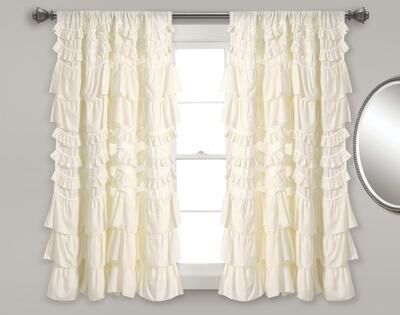
The Gray Barn Hallelujah Acres Window Curtain PanelLend a little something lovely to your home with this ruffled curtain panel. Your choice of light, gentle colors brings grace and splendor to your space, and the pom pom detail adds a dash of fun.44,49 $*Shipping: 0,00 $Secure redirect to the provider



-
What contains gluten?
Gluten is a protein found in wheat, barley, rye, and their derivatives. This means that foods such as bread, pasta, cereal, and baked goods made from these grains contain gluten. Additionally, many processed foods, sauces, and condiments may also contain gluten as an additive. It's important for individuals with gluten sensitivities or celiac disease to carefully read food labels and be aware of hidden sources of gluten in their diet. **
-
Is gluten-free bread longer lasting than gluten-containing bread?
Gluten-free bread is not necessarily longer lasting than gluten-containing bread. The shelf life of bread depends on various factors such as ingredients, preservatives, and storage conditions. Gluten-free bread may have a shorter shelf life due to the absence of gluten, which can affect the texture and moisture retention of the bread. However, some gluten-free breads may be formulated with ingredients that help extend their shelf life. Ultimately, the longevity of bread, whether gluten-free or gluten-containing, depends on the specific product and how it is stored. **
-
Where can I buy gluten wheat gluten outside of online orders?
You can buy gluten wheat gluten at health food stores, specialty grocery stores, and some larger supermarkets. Look for it in the baking or health food section of the store. You may also find it at natural food co-ops or bulk food stores. If you're having trouble finding it, ask a store employee for assistance. **
-
Is rice gluten-free?
Yes, rice is naturally gluten-free. Gluten is a protein found in wheat, barley, and rye, but not in rice. This makes rice a safe and popular choice for individuals who need to follow a gluten-free diet due to celiac disease or gluten sensitivity. However, it is important to be cautious of cross-contamination if purchasing rice products that may have been processed in facilities that also handle gluten-containing grains. **

Are marshmallows gluten-free?
Marshmallows are typically gluten-free, as they are made primarily of sugar, water, and gelatin. However, it is important to check the ingredients list on the packaging to ensure that there are no gluten-containing additives or cross-contamination during the manufacturing process. Some marshmallows may contain gluten if they are flavored or processed in a facility that also handles gluten-containing ingredients. **
Where is gluten found?
Gluten is commonly found in wheat, barley, rye, and triticale. It is present in many types of foods such as bread, pasta, cereals, baked goods, and processed foods. Gluten can also be found in unexpected sources like sauces, soups, and salad dressings, so it is important to carefully read food labels if you are trying to avoid gluten. **
Top-Angebote
Products related to Gluten:
-
The Gray Barn Hallelujah Acres Window Curtain PanelLend a little something lovely to your home with this ruffled curtain panel. Your choice of light, gentle colors brings grace and splendor to your space, and the pom pom detail adds a dash of fun.44,49 $*Shipping: 0,00 $Secure redirect to the provider
-
What are the kitchen-related properties of gluten?
Gluten is a protein found in wheat, barley, and rye that gives dough its elasticity and helps it rise. In the kitchen, gluten is important for creating the structure and texture of baked goods like bread, cakes, and pastries. It provides the necessary strength and elasticity to hold in the gases produced by yeast or baking powder, resulting in a light and airy texture. However, for individuals with gluten sensitivities or celiac disease, gluten can cause digestive issues, so it's important to be mindful of its presence in cooking and baking. **
-
What is gluten?
Gluten is a group of proteins found in wheat, barley, and rye. It gives dough its elasticity and helps it rise and keep its shape. Gluten is commonly found in bread, pasta, and baked goods, but it can also be found in many other processed foods as a thickening or stabilizing agent. For people with celiac disease or gluten sensitivity, consuming gluten can cause adverse reactions, so they need to follow a gluten-free diet. **
-
What contains gluten?
Gluten is a protein found in wheat, barley, rye, and their derivatives. This means that foods such as bread, pasta, cereal, and baked goods made from these grains contain gluten. Additionally, many processed foods, sauces, and condiments may also contain gluten as an additive. It's important for individuals with gluten sensitivities or celiac disease to carefully read food labels and be aware of hidden sources of gluten in their diet. **
-
Is gluten-free bread longer lasting than gluten-containing bread?
Gluten-free bread is not necessarily longer lasting than gluten-containing bread. The shelf life of bread depends on various factors such as ingredients, preservatives, and storage conditions. Gluten-free bread may have a shorter shelf life due to the absence of gluten, which can affect the texture and moisture retention of the bread. However, some gluten-free breads may be formulated with ingredients that help extend their shelf life. Ultimately, the longevity of bread, whether gluten-free or gluten-containing, depends on the specific product and how it is stored. **
Similar search terms for Gluten
-
Where can I buy gluten wheat gluten outside of online orders?
You can buy gluten wheat gluten at health food stores, specialty grocery stores, and some larger supermarkets. Look for it in the baking or health food section of the store. You may also find it at natural food co-ops or bulk food stores. If you're having trouble finding it, ask a store employee for assistance. **
-
Is rice gluten-free?
Yes, rice is naturally gluten-free. Gluten is a protein found in wheat, barley, and rye, but not in rice. This makes rice a safe and popular choice for individuals who need to follow a gluten-free diet due to celiac disease or gluten sensitivity. However, it is important to be cautious of cross-contamination if purchasing rice products that may have been processed in facilities that also handle gluten-containing grains. **
-
Are marshmallows gluten-free?
Marshmallows are typically gluten-free, as they are made primarily of sugar, water, and gelatin. However, it is important to check the ingredients list on the packaging to ensure that there are no gluten-containing additives or cross-contamination during the manufacturing process. Some marshmallows may contain gluten if they are flavored or processed in a facility that also handles gluten-containing ingredients. **
-
Where is gluten found?
Gluten is commonly found in wheat, barley, rye, and triticale. It is present in many types of foods such as bread, pasta, cereals, baked goods, and processed foods. Gluten can also be found in unexpected sources like sauces, soups, and salad dressings, so it is important to carefully read food labels if you are trying to avoid gluten. **
* All prices are inclusive of VAT and, if applicable, plus shipping costs. The offer information is based on the details provided by the respective shop and is updated through automated processes. Real-time updates do not occur, so deviations can occur in individual cases. ** Note: Parts of this content were created by AI.